

An event photo booth is a dedicated station at your gathering where guests can step in, strike a pose, and walk away with instant photos or digital copies. It’s entertainment, icebreaker, and keepsake all in one.
Whether you’re hosting a corporate conference, trade show, or celebration, a photo booth adds energy to the room and gives attendees something fun to do between sessions or conversations. People remember the experience, and they get photos to take home or share online.
Here’s everything you need to know about making a photo booth work for your event.
Related: Rent a Photo Booth Denver: Full Guide for Your Event
How a Photo Booth Actually Works
A typical event photo booth setup starts with a physical booth or designated photo area. Your guests enter, pose for a camera (sometimes with props), and the system captures their image.
Once the photo is taken, guests choose their preferred output. Some booths print photos on the spot, so people leave with a physical copy in hand. Others offer digital-only options where photos are emailed or uploaded to a shared digital gallery. Many modern setups do both, giving guests instant prints and a digital link.
The whole experience usually takes 2-5 minutes per group, which keeps lines moving and lets more people participate throughout your event.
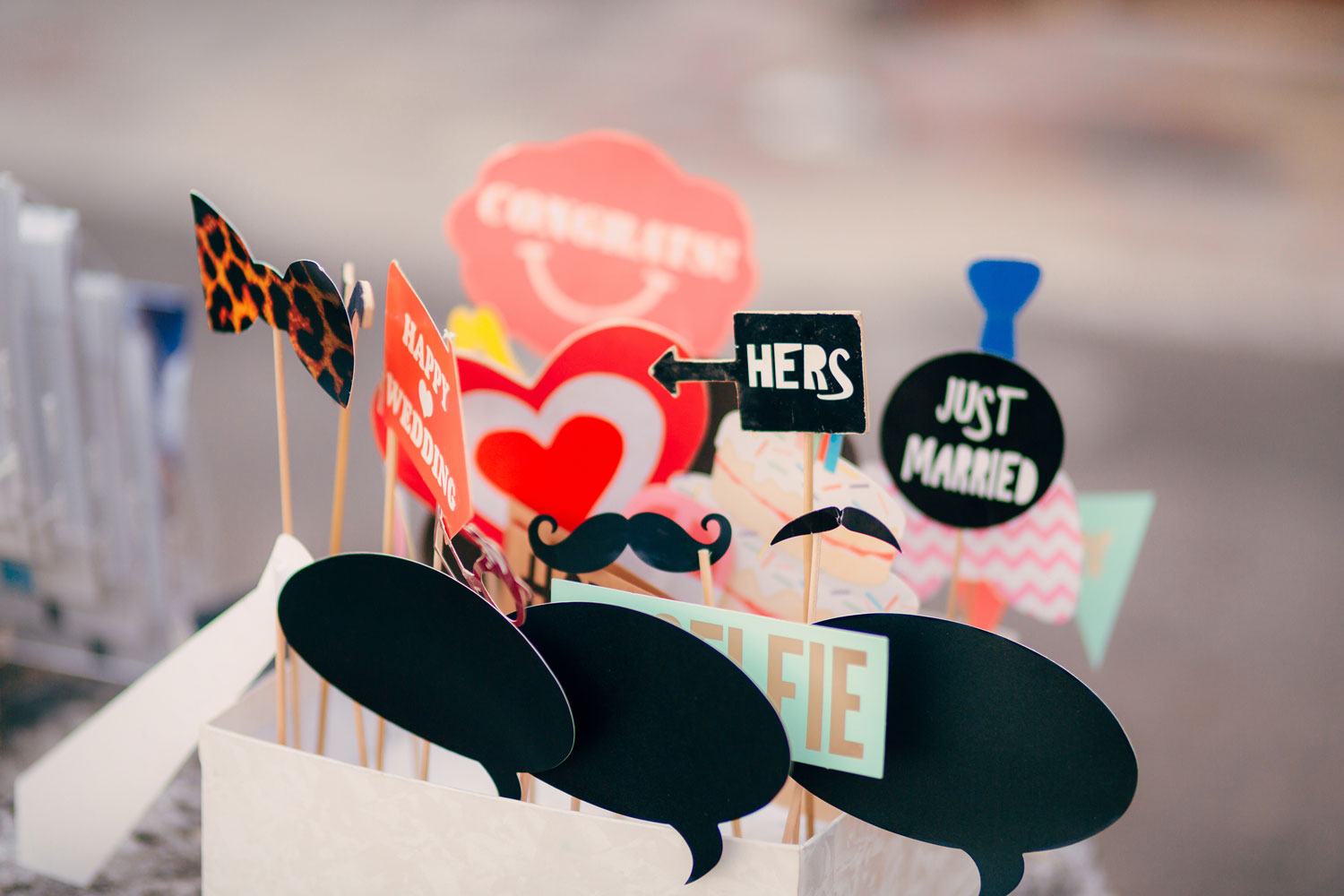
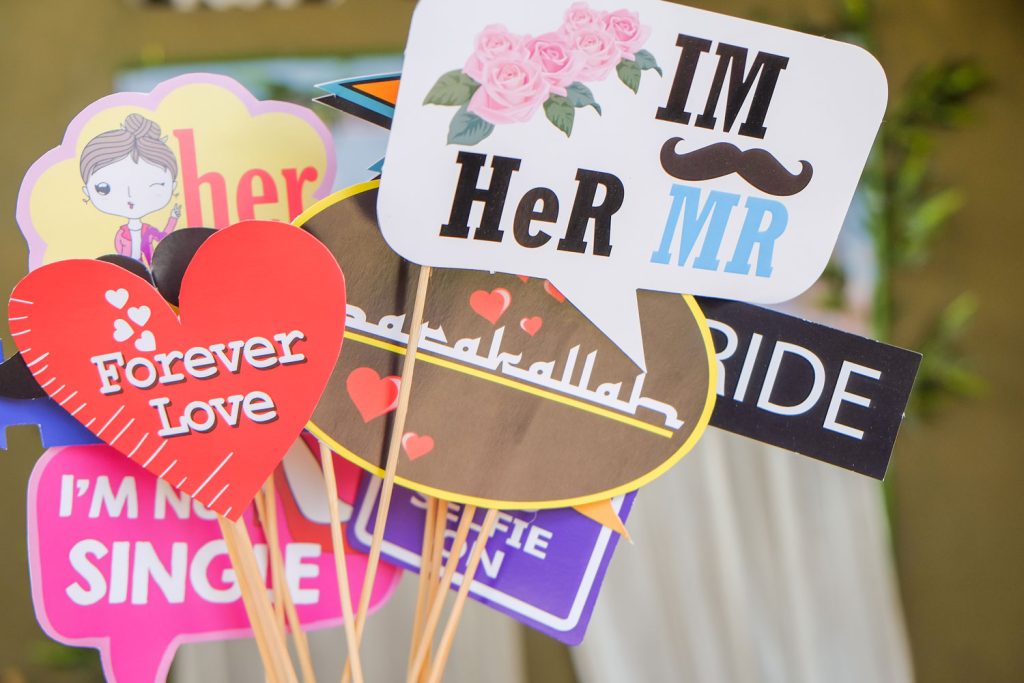
Props are optional but common. Think silly hats, oversized glasses, branded signs, or industry-specific items that match your event theme. Props encourage playfulness and make photos more memorable and shareable.
Popular Event Photo Booth Styles
Not all photo booths look or function the same way. Here are the main formats you’ll encounter:
- Print Booths – Traditional setups that produce instant printed photos. Great for corporate events where guests want a physical keepsake they can put in a pocket or purse.
- Digital-Only Booths – Guests get photos sent to their email or access them from a cloud gallery. Cleaner, paperless, and easier to manage large photo collections.
- Glam Booths – Styled with better lighting, professional backdrops, and sleek design. These elevate the photo quality and feel more polished for upscale events.
- Vintage or Themed Booths – Designed to match a specific aesthetic. Think rustic wood frames, retro props, or branded designs that tie to your event’s vibe.
- 360-Degree Booths – Capture photos from multiple angles or create video loops. These are eye-catching and give a premium experience.
For most corporate events and conferences, a print or digital booth with a professional backdrop is the sweet spot. You get quality photos, guests get a tangible or shareable memory, and the booth stays relevant throughout your event duration.
Related: Corporate Event Photo Booth: Setup, Branding & Tips
Why Your Event Needs a Photo Booth
A photo booth does more than take pictures. It creates a reason for guests to mingle, relax, and have fun in a structured way.
At corporate events, it breaks up the formality. People who might not otherwise chat find themselves laughing together in the booth. That casual interaction builds real connection, which is often the whole point of bringing people together in the first place.
Guests also walk away with photos they want to keep or share. That means your event stays in their phones, inboxes, and social media feeds long after it ends. A branded backdrop or themed props reinforce your company’s message or event theme every time someone looks at those photos.
For event planners, a photo booth is also a conversation piece. It’s something people talk about, recommend to others, and genuinely enjoy. That positive buzz reflects well on your planning and professionalism.
Backdrop Design and Setup

The backdrop is the most visible part of your photo booth, and it matters more than you might think. A thoughtful backdrop does three things at once: it frames the photos beautifully, reflects your event theme or brand, and creates a professional look.
Common backdrop options include solid colors (clean and timeless), branded designs with your company logo or event name, custom graphics that match your theme, or simple floral and fabric arrangements.
When you rent an event photo booth from a professional provider, backdrop options are usually included or customizable. Setup and breakdown happen as part of the rental service, so you don’t have to worry about the logistics.
The booth location matters too. You want it in a high-traffic area where it’s visible but doesn’t block the main flow of your event. Near the registration table, between sessions, or in a dedicated lounge area works well.
Digital vs. Print: Which Should You Choose?
This depends on your event type, guest preferences, and logistics.
Print booths work best when you want guests to leave with something immediate and tangible. At corporate events and trade shows, printed photos give people a takeaway that reminds them of your company. They’re also easier to sign, share at the moment, and don’t require email addresses or digital access.
Digital booths are cleaner, faster, and give you control over all photos in one place. You get a complete digital gallery you can use for marketing, social media, or future reference. Digital also works well if your event is large and printing volume would be overwhelming.
Many professional event photography services offer hybrid setups: instant prints plus digital access. Guests get the immediate gratification of a printed photo, and you get a digital archive of the whole experience.
Making the Most of Your Photo Booth Experience
To keep your photo booth running smoothly and maximizing participation, a few practical touches help.
First, staff or monitor the booth during your event. This keeps things organized, handles technical issues, and encourages shy guests to participate. A friendly attendant makes people feel welcome and keeps the line moving.
Second, use props. They’re not mandatory, but they work. Props give people permission to be playful, make photos more interesting, and create talking points. For corporate events, consider branded props (company hats, custom signs with event names) or industry-relevant items that add personality.
Third, communicate where the booth is and when it’s available. Some events announce it at the opening or via signage. Others mention it during announcements or send a quick note to attendees beforehand. People use photo booths more when they know they’re there.
Fourth, collect photos and use them afterward. Share them in a thank-you email, post them on your company’s social media (with permission), or include them in event recaps. That reinforces the memory and extends the value of the booth experience beyond the event day.
Photo Booth Rentals vs. Building Your Own
You could theoretically set up a DIY photo booth with a camera, backdrop, and tripod. But there’s a reason professional setups exist: they work reliably, look polished, and free you up to focus on hosting your event.
A rental service handles equipment quality, backdrop design, photo output, and technical support. The booth shows up ready to go, and someone ensures it runs smoothly. You get consistency, professionalism, and peace of mind.
For corporate events where your company’s image matters, a professional rental is worth the investment. Photos reflect your attention to detail, and guests get a better experience.
If you’re exploring photo booth options for an upcoming event, Monarch Event Photography offers professional booth rentals as part of their full-service event documentation. They handle setup, backdrop design, and both print and digital output, so you don’t have to.
Common Photo Booth Mistakes to Avoid
Knowing what not to do helps your booth succeed.
Don’t hide the booth in a corner. People need to see it and have easy access, or participation drops fast.
Don’t skimp on backdrop quality. A cheap or poorly lit backdrop makes your photos look unprofessional, which reflects on your event. Invest in a backdrop that looks polished and matches your event’s tone.
Don’t forget to test the booth before your event starts. Check lighting, camera focus, print quality, and digital output. Fixing problems during the event wastes time and frustrates guests.
Don’t overcomplicate the experience. The easier it is to use, the more people will use it. Avoid long instruction processes or confusing menus. People should be able to walk in, pose, and get their photos in minutes.
Don’t neglect follow-up. If you collect digital photos, share them with guests in a timely way. If you printed photos, make sure guests know how to access any digital versions or galleries.
Photo Booth Logistics for Different Event Types
Corporate conferences benefit from photo booths during breaks or networking sessions. Booth placement near the coffee station or lounge area keeps things casual and non-intrusive.
Trade shows use booths to draw traffic to your booth or capture attendee photos for follow-up networking. A branded booth creates visual interest and gives people a reason to stop by.
Private celebrations want booths in a social, high-traffic area where they’re part of the party, not an afterthought. These events often use more props and playful backdrops.
For any event type, the key is matching booth placement and style to your guests’ expectations and your event’s schedule.
What to Expect from Professional Photo Booth Services
When you rent a professional photo booth, here’s what a full-service experience typically includes:
- Equipment setup and breakdown (you don’t lift a finger)
- Backdrop design or customization options
- Professional lighting and camera quality
- Attendant or monitoring to keep things running
- Both print and digital output options
- Fast turnaround on digital photo delivery
- Tech support if anything goes wrong
Pricing and package details vary by provider, event size, and location. When you’re ready to add a photo booth to your event, reach out to get a custom quote based on your specific needs.
What’s the difference between a photo booth and a selfie station?
A photo booth uses a professional camera, backdrop, and sometimes an operator to capture and deliver photos. A selfie station is typically a backdrop where guests use their own phones. Photo booths deliver higher quality images, handle the technical side, and produce shareable or printable photos. Selfie stations are simpler and more casual. For corporate events, a photo booth looks more polished.
Can you customize the photos or add branding?
Yes. Professional photo booths usually offer branded backdrops, custom frames for printed photos, and digital gallery branding. Some services apply logos or custom designs to prints or digital files. Ask your provider about customization options when you book.
How long does a photo booth take per person or group?
Typically 2-5 minutes from entering to leaving with photos. This includes posing, taking the shot, choosing props, and selecting output (print or digital). Digital-only booths tend to be faster than print booths because there’s no printing delay.
What happens to the photos after the event?
That depends on your setup. Print booths give guests immediate physical copies. Digital booths send files via email or upload them to a cloud gallery. Many providers store digital photos for a set period so you can access them later for social media, marketing, or event recaps.