

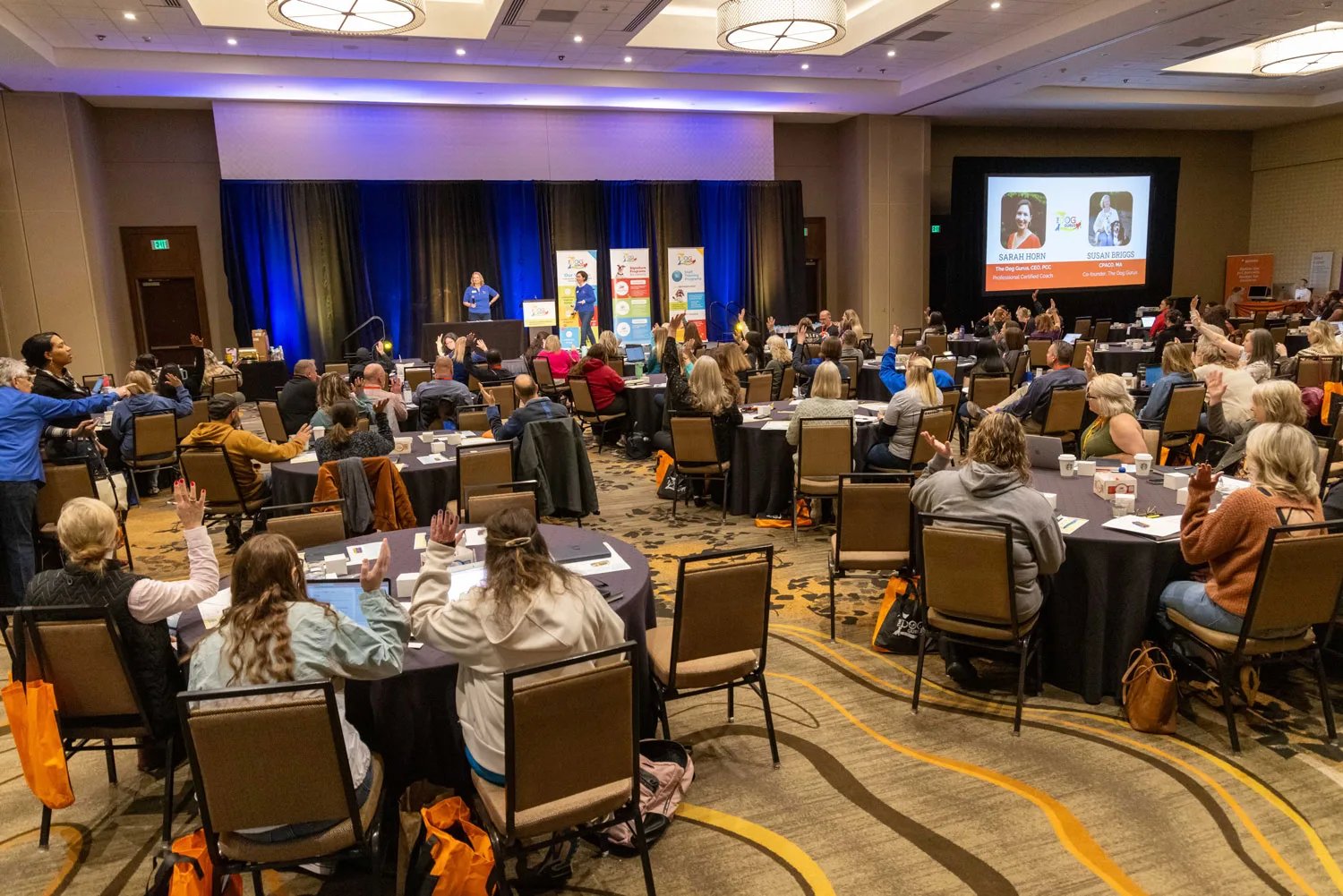
Corporate meeting photography is about documenting your business event in a way that looks polished, tells the story of what happened, and gives you images you can actually use afterward. Whether it’s a conference, team gathering, trade show, or executive meeting, the goal is the same: get high-quality shots that represent your company well.
What Corporate Meeting Photography Really Means
Corporate meeting photography isn’t just about snapping random pictures. It’s intentional documentation of your event that captures the energy, the speakers, the attendees, and the key moments that matter to your business.
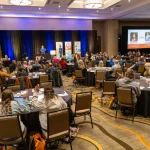
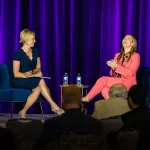
Think of it as creating a visual record of your meeting. That means capturing people networking, speakers at the podium, name badges being exchanged, presentations happening, and those candid moments when someone’s laughing or deep in conversation. The best corporate meeting photography blends posed shots with natural, authentic moments.
If you’re handling this yourself or working with a photographer, Monarch Event Photography can guide you through what works and what doesn’t for corporate events in the Denver area.
Start With a Shot List Before the Event
One of the biggest mistakes people make is showing up to an event without a plan. You need to know what images matter most to your business before the first photo is taken.
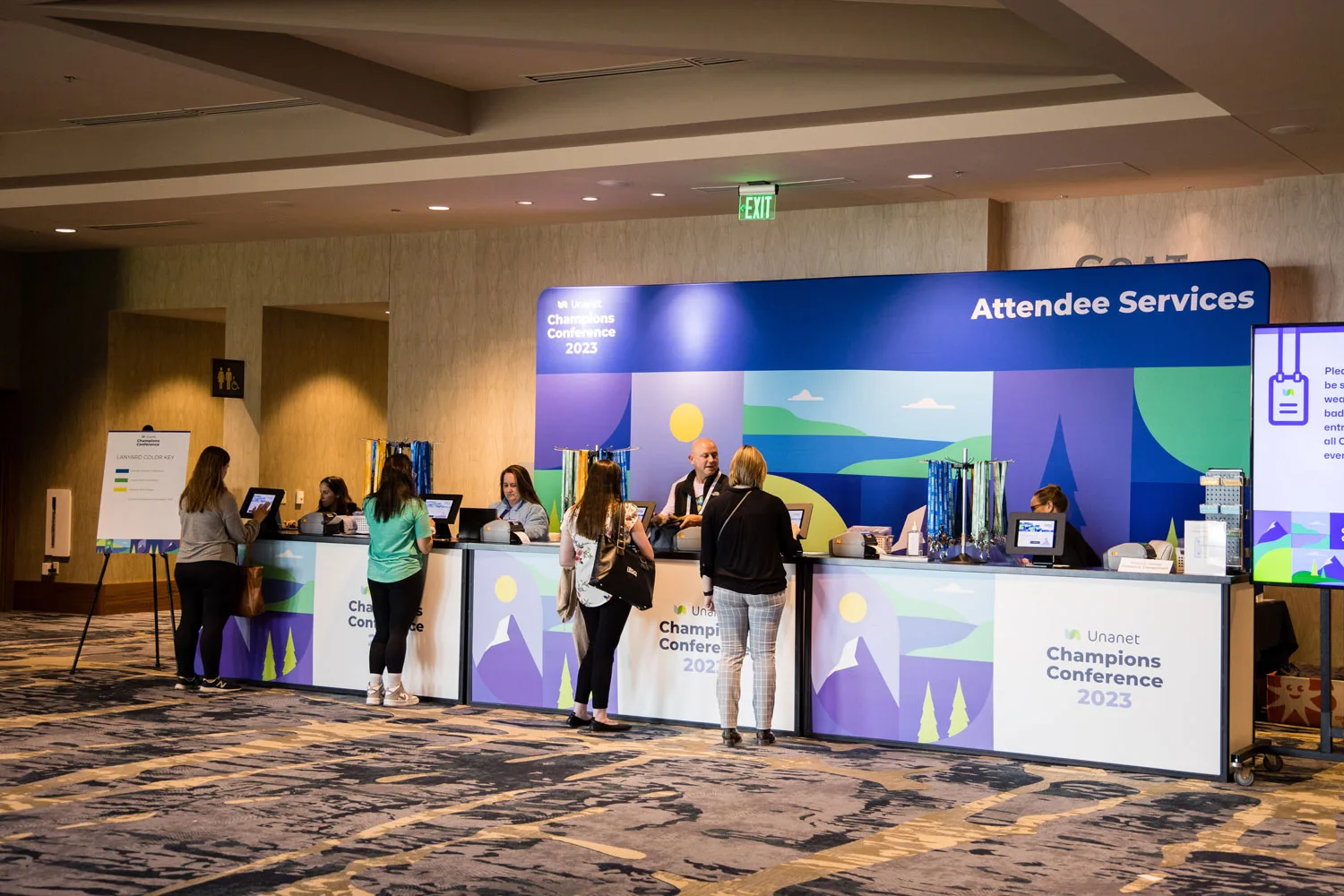
Work with your photographer or event organizer to build a shot list. This should include your CEO, key speakers, group photos of departments or teams, the registration table, networking moments, and any presentations or announcements happening.
Ask yourself: What will these photos be used for? Are they going on social media, your website, in a newsletter, or in a company report? That answer changes what you need to capture.
Share this list with your photographer at least a week before the event. That gives them time to understand your priorities and think through how to get those shots efficiently.
Understand Your Venue’s Lighting and Layout
Lighting can make or break corporate meeting photography. Before the event, talk to your venue about where the light is coming from, whether there are windows, and what the artificial lighting looks like.
Some meeting spaces have terrible overhead fluorescent lighting that makes everyone look tired and washed out. Others have natural light that changes throughout the day. Knowing this ahead of time means your photographer can plan their positioning, bring the right equipment, or adjust camera settings to get the best possible images.
Also find out the layout of your space. Where will people be seated? Will there be a stage or podium? Are there columns or obstacles in the way? A quick walkthrough with your photographer (even a video call) can save a lot of frustration during the actual event.
Use Burst Mode to Capture the Right Moment
When something important is happening at your meeting, you don’t get a second chance. That’s why burst mode is a game-changer.
Burst mode lets your photographer take multiple frames in rapid succession, usually 5-10 photos per second depending on the camera. This dramatically increases the odds of getting a usable shot where nobody’s blinking, everyone’s smiling, and nobody’s mid-awkward-expression.
So instead of taking one photo of your VP speaking, your photographer takes fifteen. Now you have options. This is especially important for candid networking shots where people are moving and unpredictable.
Shoot in Volume to Maximize Quality Moments
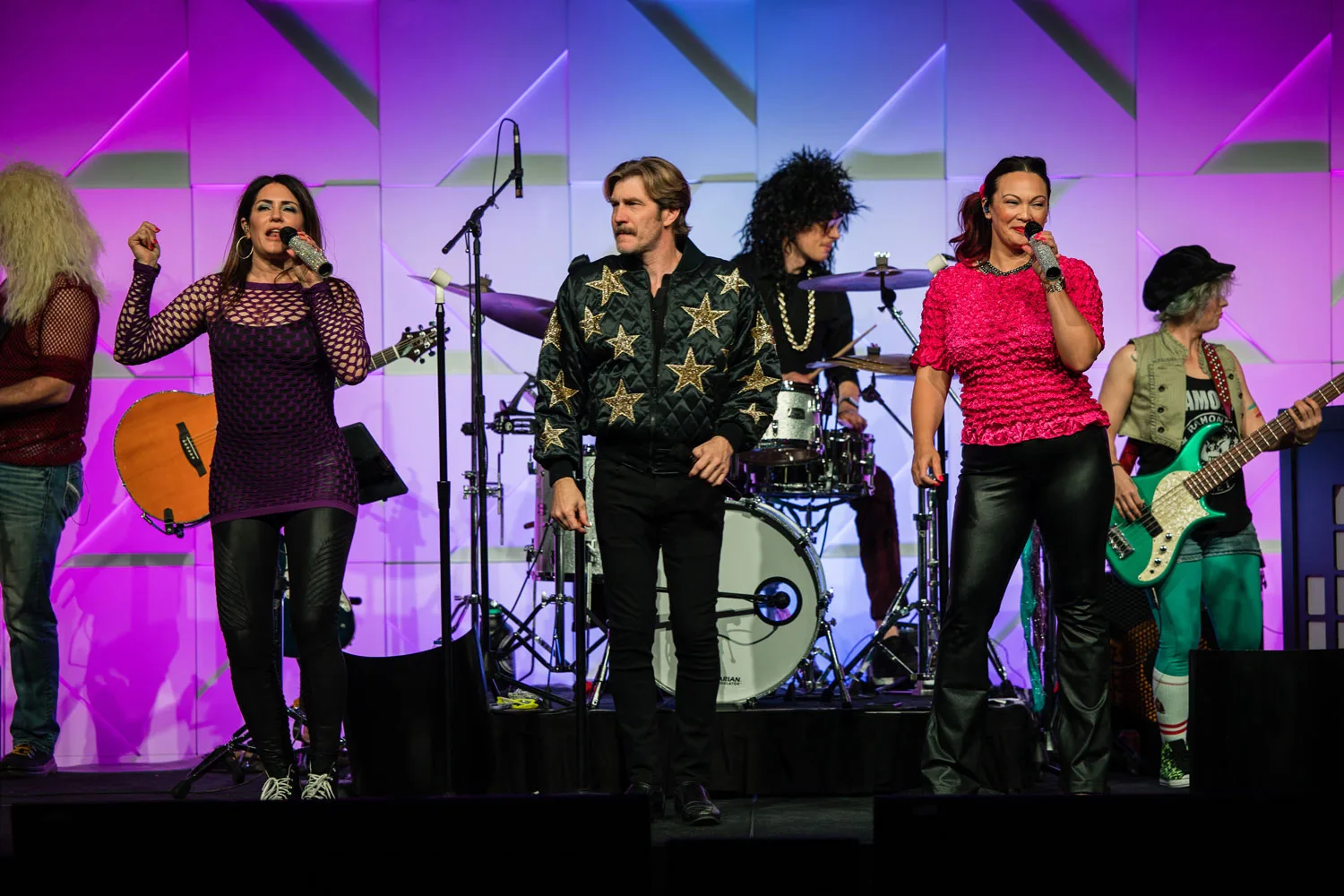
Great corporate meeting photography requires quantity to ensure quality. Your photographer should be taking a lot of shots throughout the event, not just a few carefully composed ones.
Why? Because real moments at meetings happen fast. Someone makes a great point and the room reacts. Two colleagues shake hands after a deal discussion. Your CEO connects with an attendee. These moments are gone in seconds.
By taking numerous photographs continuously, your photographer catches these fleeting moments. It’s better to have 500 great shots to choose from than 50 mediocre ones.
Maintain Flexibility During the Event
Even the best-laid plans change when the event actually starts. A speaker might run long. A panel discussion could end early. Networking might happen in a completely different spot than planned.
Your photographer needs to stay flexible and adapt on the fly. That means being ready to pivot to capture what’s actually happening, not just what was on the original schedule.
This is one reason professional photographers are worth the investment. They know how to read a room, anticipate moments, and adjust their approach in real time.
Set Clear Expectations About Deliverables and Timing
Before you hire anyone for corporate meeting photography, be crystal clear about what you’re getting and when.
How many final images will you receive? When will you get them? In what format? Will you get all the photos or only edited selections? Do you have the right to use them however you want, or are there restrictions?
These conversations matter. Some photographers deliver hundreds of images within a week. Others take longer and give you fewer, more heavily edited shots. Neither is wrong, but you need to know which approach you’re paying for.
When you work with Monarch Event Photography, these details are discussed upfront so you know exactly what to expect.
Coordinate With Your Photographer Before the Event Starts
Show up early if you can and spend 15 minutes with your photographer before guests arrive. Walk them through the venue. Point out where the best light is. Show them where speakers will stand. Introduce them to your event coordinator.
This prep time pays dividends. Your photographer feels oriented, understands what matters to you, and can hit the ground running when people start arriving.
Also give your photographer a roster or name list if possible. If they know who your keynote speaker is or who your CEO is, they can anticipate and position themselves better.
Capture Moments That Tell Your Company’s Story
The best corporate meeting photos aren’t just technically perfect. They tell a story about your company and your event.
Look for moments that show collaboration, excitement, learning, or connection. A photo of attendees leaning in during a conversation says something different than a photo of someone sitting alone on their phone.
Think about what your company wants to communicate through these images. Are you showcasing innovation? Teamwork? Growth? Diversity? Leadership? Let that guide what you’re trying to capture.
Plan for Executive Headshots and Special Portraits
If you need headshots of your leadership team or special portraits of key attendees, schedule that time separately from general event coverage.
Related: Conference Photography: Complete Guide to Professional Coverage
Headshots need controlled lighting, a clean background, and focus. You can’t get that in the middle of a networking event. Block out 30 minutes or an hour before or after your main event for portraits.
Related: Professional Headshots for Corporate Events: Complete Guide
Tell your photographer about this in advance so they can bring the right equipment and set expectations with your executives about timing and what to wear.
Think About Photo Booth Options for Engagement
If your corporate meeting includes a networking component or social element, an on-site photo booth can be a great addition. It gives attendees something fun to do, creates shareable content for social media, and generates more photos of your event.
Photo booths work especially well at trade shows, team celebrations, and conferences where people are mingling and want a keepsake.
Communicate Your Brand Guidelines to Your Photographer
Does your company have colors, a logo, or a specific look you want to maintain in photos? Share that with your photographer.
Maybe you want images that look energetic and vibrant, or maybe you prefer a more professional, understated aesthetic. Maybe your brand is modern and playful, or maybe it’s corporate and formal. These details influence how your photographer frames shots, what angles they choose, and how images are edited.
Review Images and Provide Feedback Early
Once your photographer delivers images, look at them promptly and give feedback. Did they capture what you needed? Do some need editing adjustments? Are there any images you love or don’t love?
Early feedback helps your photographer understand your preferences for future events and speeds up any revisions you need.
People Also Ask
How much should corporate meeting photography cost?
The cost depends on how long your event is, how many photographers you need, what’s included (like edited images, usage rights, or on-site prints), and your location. Instead of guessing, reach out to Monarch Event Photography for a quote based on your specific event.
How many photos will I get from my corporate event?
This varies by photographer and package. Some deliver every photo taken, which might be 500-1000 images. Others deliver a curated selection of 100-300 edited images. Discuss this with your photographer before booking so you know what to expect.
When should I hire a corporate photographer?
Book your photographer as soon as you know your event details. At least 2-4 weeks in advance is ideal, but earlier is better if you want to ensure availability and have time for planning conversations.
Can I use corporate event photos for marketing?
In most cases, yes. But confirm with your photographer that usage rights are included in your package. Some photographers restrict how images can be used, while others give you full rights. This should be spelled out in your agreement upfront.