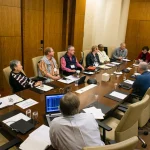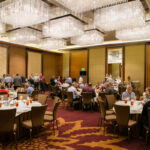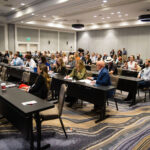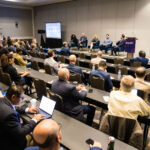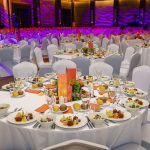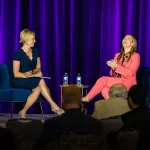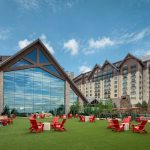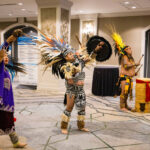



A trade show photographer captures professional images of your booth, presentations, attendees, and key moments throughout your event. But here’s the thing: it’s not just about snapping pictures. It’s about creating visual proof that your brand was there, making connections, and doing business.
If you’re planning a trade show, conference, or expo, you already know how much energy and money goes into being there. A trade show photographer turns that investment into lasting marketing assets you can use for months afterward.
Why You Actually Need a Trade Show Photographer
Trade shows are chaos. Multiple presentations happening at once, crowds moving through the expo floor, important conversations happening in breakout sessions. You can’t be everywhere, and your team is too busy working the booth to document what’s happening.
That’s where a professional comes in. They capture the energy and activity that prove your presence and engagement to people who weren’t there. Partners, investors, media, and prospects all want to see that your company showed up and made an impact.
Post-event, those photos become gold. You’ll use them on social media, your website, email campaigns, and promotional materials. They show that your brand is active, connected, and visible in your industry. Monarch Event Photography specializes in capturing exactly this kind of event documentation with the polish and speed that busy teams need.
What a Trade Show Photographer Actually Covers
Good coverage includes several key areas, and you should know what to expect.
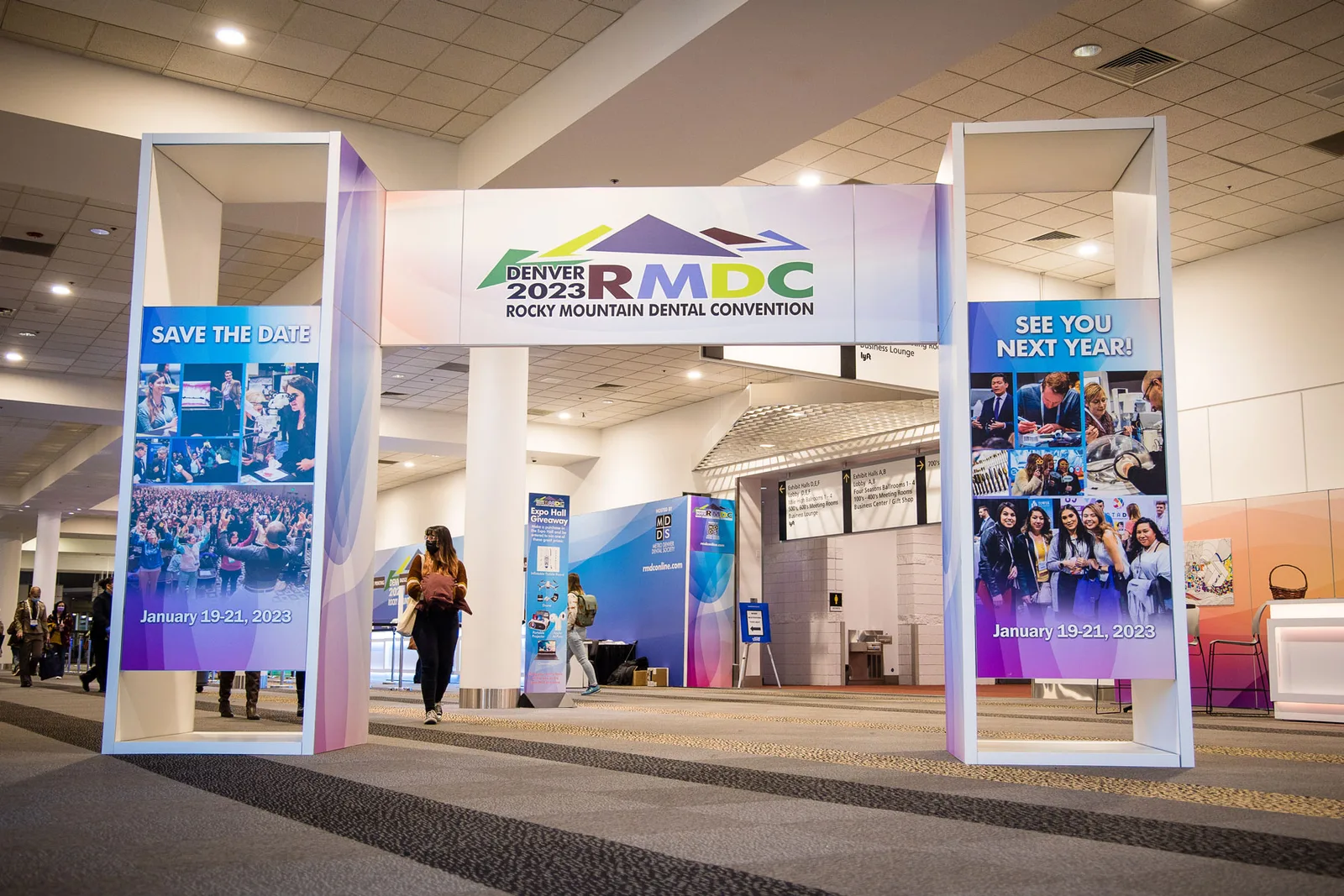
- Expo floor shots: Your booth setup, product displays, team members in action, and attendees engaging with your offerings.
- Keynote and presentation coverage: Speakers at the podium, panelists, and audience moments that show participation and energy.
- Breakout sessions: Smaller meetings and educational sessions where real conversations happen.
- Networking moments: Candid shots of your team talking with prospects, partners, and other exhibitors.
- On-site headshots: Professional portraits of your executives or team members for use in marketing materials and social profiles.
Most trade show photographers offer shorter booking windows, often starting at two-hour sessions. This is actually smart because it lets you focus coverage on the peak hours when your booth traffic is highest or during your key presentations.
Technical Skills That Matter at Trade Shows
Not every photographer is built for trade show work. Here’s what separates pros from people just carrying a camera.
Trade shows have terrible lighting. Fluorescent overhead lights, spotlights on booths, and shadows everywhere create a nightmare for most cameras. A professional trade show photographer knows how to handle mixed lighting, adjust on the fly, and deliver clean, usable images even in ugly conditions.
Speed matters too. Events move fast. A great trade show photographer can anticipate moments, work confidently under pressure, and keep shooting while the action unfolds. They’re not fussing with settings or asking people to pose awkwardly. They’re just getting the shot.
They also understand workflow. Photos need to be usable quickly. That means proper file organization, naming conventions, and delivery formats that your marketing team can actually use without extra work.
Related: Convention Center Photographers: What You Need to Know
How to Choose Your Coverage

Think about what you actually need photos of. Is your main goal to document your booth and team? Are you presenting on a panel? Do you want headshots? Are you sponsoring a reception?
Be specific with your photographer about which sessions, times, and locations matter most. A two-hour block during peak booth traffic will give you solid coverage of visitor interactions. If you’re keynoting, add dedicated coverage of that time slot.
Also talk about usage rights upfront. You want unlimited use rights so you can post those photos on social media, your website, and marketing materials without worrying about license restrictions. This should be standard, and professional event photographers will include it in their service.
What Happens After the Event
Good photographers deliver fast. You’re sitting on deadline for social posts and follow-up marketing, so slow turnaround defeats the whole purpose.
Ask what your timeline looks like. Some photographers deliver edited images within days. Others take weeks. For trade shows, you want someone in the faster camp so you can capitalize on the event momentum while people still remember the conversations they had.
Also ask about the file format and resolution. You need high-resolution images for print and web use. Ask how files are delivered (typically through a download link or cloud storage). Make sure you understand what you’re getting so there’s no confusion after the event.
One more thing: find out if the photographer can handle any special requests, like capturing specific product angles, certain attendees, or moments you need documented. The best photographers are flexible and invested in giving you usable content, not just pretty pictures.
Red Flags to Avoid
Don’t hire a photographer who seems vague about what they’ll deliver. If they can’t clearly explain their process, coverage, or timeline, move on.
Avoid anyone unwilling to give you unlimited use rights. That’s a basic expectation for event photography, and restrictions will only create headaches later.
Skip photographers who don’t have experience at events like yours. Trade show lighting and energy are different from studio photography. You want someone who knows exactly what they’re walking into.
Finally, don’t assume the cheapest option is a good deal. Event photography that’s poorly lit, poorly timed, or poorly organized just wastes your time in post-event editing. Spending appropriately on a skilled professional saves you money and stress down the line.
Getting Started With Your Trade Show Photographer
Start your search early, ideally several weeks before your event. Good photographers book up, especially during conference season.
Ask for samples of their trade show work specifically. You want to see how they handle booth lighting, crowds, and candid moments. Portfolio quality matters here.
Be clear in your initial conversation about your goals, booth location, schedule, and any special coverage needs. The more detail you give, the better they can deliver.
Confirm logistics the week before: arrival time, parking, where they should set up, who to check in with, and any access badges or credentials they’ll need. Small details prevent big day-of surprises.
If you’re in the Denver area and looking for professional trade show coverage, Monarch Event Photography handles corporate events, conferences, and trade shows with the kind of reliability and polish that keeps teams coming back.
Related: Corporate Meeting Photographer: What You Need to Know
People Also Ask
How many photos should I expect from a trade show photography session?
That depends on how much is happening and how long the photographer is there. A two-hour session at an active booth typically produces 150 to 300 edited, usable photos. Ask your photographer what their average output looks like so you know what to expect. More photos isn’t always better, but you should get enough variety to choose from for your marketing needs.
Can I use trade show photos on social media?
Yes, absolutely. That’s one of the main reasons to hire a photographer. Make sure your contract includes unlimited use rights for digital and social media. You should be able to post photos on LinkedIn, Twitter, Instagram, your website, and anywhere else without asking permission or paying extra fees.
What if the lighting at my booth is really bad?
Tell your photographer about it ahead of time. Pros who work trade shows know how to handle bad lighting and have techniques to work around it. They might position people near better-lit areas, adjust camera settings, or use portable lighting if needed. Communication is key so they come prepared.
Do I need to provide the photographer with a shot list?
Not required, but it helps. If there are specific people, moments, or angles you absolutely need documented, write them down and share them. The photographer will work it into their shooting plan and make sure you get those critical shots while still capturing general booth and event coverage.