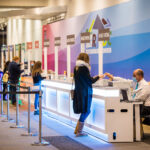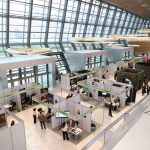


You’ve invested thousands in booth design, travel, and staff time for a trade show. The last thing you want is blurry phone photos or missed moments that could’ve become killer marketing assets.
Professional photography for trade shows in Colorado isn’t just about documenting what happened. It’s about creating content that works for you long after the event ends. Think social media posts, website case studies, email campaigns, and LinkedIn proof that your company shows up and delivers.
Here’s what you need to know to make it happen.
Why Professional Trade Show Photography Matters
Trade shows move fast. Your booth staff is talking to prospects, answering questions, and running demos. Nobody has time to grab a decent camera and frame shots properly.
When you hire a professional, you’re getting someone whose entire job is capturing the moments that matter. Product details. Handshakes. Crowd energy. Your team in action.
The real value shows up later. According to research on visual marketing performance, posts with professional images get significantly higher engagement than amateur shots. Trade show photos typically stay useful for about 12 months of marketing—that’s a long shelf life for one event.
You’ll use these images for:
- Social media during and after the show
- Email newsletters to prospects you met
- Website case studies and testimonials
- LinkedIn company updates and recruiter outreach
- Sales presentations and pitch decks
- Annual reports and marketing materials
That’s a lot of mileage from one event. But it only works if the photos are actually good.
What Professional Trade Show Coverage Includes
When you hire a professional photographer for your Colorado trade show, here’s what you should expect.
Booth Coverage
This is the core of the service. Your photographer stays at or near your booth for the duration of the event. They capture interactions with visitors, product demonstrations, team moments, and the booth setup itself. They understand angles, lighting, and composition—not just point and shoot.
Candid Moments
The best trade show photos aren’t posed. They’re real conversations, reactions, and energy. A professional photographer knows how to work quietly and capture authentic moments without people feeling like they’re being interrupted.
Product and Detail Shots
Professional photographers can handle everything from tiny intricate product details to large installations. They bring the right lighting and angles to make your offerings look their absolute best, not washed out or blurry like a phone shot.
Keynote and Stage Coverage
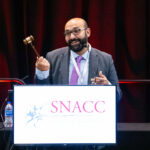
If your company is speaking or presenting during the trade show, you want coverage of that moment. Stage lighting is tough to work with, but professionals know how to expose correctly for speakers and slides.
Fast Turnaround and Usage Rights
Unlike some photographers who make you wait months, Monarch Event Photography understands that trade show content is time-sensitive. You need images quickly so you can use them while the event is still fresh. Full usage rights are included, so you own the images and can use them however you want—no licensing drama.
Planning Your Trade Show Photography
Great trade show photos don’t happen by accident. Here’s how to set yourself up for success.
Decide on Your Scope
Are you paying for booth-only coverage, or do you want full-event access? Do you need headshots of your team or executives? Will there be a photo booth component? These decisions affect the number of photographers you need and the overall investment.
Brief Your Photographer Before the Show
Send your photographer a list of priorities. Which products matter most? Who are the key people they should try to capture? Are there specific moments or demonstrations you want documented? A 10-minute prep call makes a huge difference in the final results.
Coordinate with Your Booth Staff
Let your team know a photographer will be there. Coach them on whether you want posed moments or purely candid shots. Some companies like booth staff to acknowledge the camera; others prefer the photographer to stay invisible. Both approaches work—just be clear about your preference.
Think About Lighting and Backdrop
Booth design matters for photography. A cluttered or dark booth is harder to photograph well. Let your photographer know about the space and lighting setup ahead of time so they can prepare. Professional photographers can work with almost any situation, but advance notice helps them bring the right equipment.
Plan for Multiple Day Coverage
If your trade show runs two or three days, consider having a photographer for at least the first and last day. Opening day has fresh energy; closing day often has the best conversations as prospects circle back. The middle day can sometimes be skipped depending on your budget.
Maximizing Your Investment

You’re spending real money on trade show photography. Here’s how to get maximum value.
Curate Your Images
You’ll get hundreds of photos. Not all of them are winners. Work with your marketing team to pick the best 30-50 images for actual use. Quality over quantity.
Use Them Immediately
Post images to social media while the show is still happening. Tag attendees and other exhibitors. Start pitching prospects within a week. Trade show momentum fades fast, so capitalize while it’s hot.
Repurpose Across Channels
One photo can work on LinkedIn, your website, email, and your sales pitch deck. Crop, resize, and customize for different platforms. A single great shot can work hard for you.
Keep a Library
Save your best trade show images in a central folder. You’ll use them again next year, in sales presentations, and in various marketing materials. Professional trade show photos have a long useful life.
What to Look for in a Professional Photographer
Not every photographer is equipped to handle trade shows well. Here’s what matters.
Trade Show Experience
Ask how many trade shows they’ve photographed. Have they worked in Colorado’s event spaces? Do they understand the specific challenges of convention center lighting and dense crowds? Experience shows.
Portfolio Review
Look at actual trade show and corporate event samples. The photos should be sharp, well-exposed, and capture real moments—not stiff or overly posed. Can they handle your type of product or industry?
Turnaround Timeline
Ask exactly when you’ll get your photos. Same day? Three days? Two weeks? For trade shows, faster is usually better. Professional event photographers in the Denver area often deliver within days, not weeks.
Related: Conference Photographer Denver Metro Area: Complete Guide
Related: Denver Event Photographer for Corporate Meetings: Complete Guide
Pricing Transparency
Get a clear quote for your specific event. Is it hourly or a flat rate? Do they charge per photographer? What’s included and what costs extra? No surprises.
Usage Rights
Make sure your contract specifies that you own the images and can use them however you want. Some photographers retain copyright or charge licensing fees. You want full rights included in your fee.
Common Trade Show Photography Scenarios
Small Local Trade Show (1-2 days)
One photographer for 4-6 hours per day, focusing on booth and key moments. Budget for 8-12 hours total coverage. Expect 200-300 usable photos.
Regional Conference (2-3 days)
One photographer for full days, possibly two if your booth is large or you want keynote coverage too. Budget for 16-24 hours. Expect 400-600 usable photos and strong asset diversity.
Large National Trade Show
Consider two photographers if your booth is complex, or if you’re speaking on stage and want booth coverage simultaneously. Full-day coverage (8-10 hours). Budget accordingly. You’ll end up with 600+ photos to choose from.
Multi-Location Coverage
If your company has multiple booths or sponsorships across the event, you might need a photographer who can cover different areas. This is where experience and local knowledge matter most.
Getting Started with Your Trade Show

Ready to stop settling for blurry booth photos and missed moments?
Start by mapping out what you need. How many days? What’s your budget? Do you want just booth coverage or something more comprehensive? Once you know your scope, reach out to photographers with solid trade show experience in Colorado.
Ask for samples. Ask about their process. Ask how they handle fast-paced environments and tricky lighting. The right photographer will be excited to talk about past events and what they can deliver for you.
Your trade show is too valuable to leave to chance. Professional photography turns your investment into marketing assets that keep working for you long after the event ends.
How much does professional trade show photography cost in Colorado?
Pricing varies based on duration and scope. Small local events often run $750-$1,500 for half-day coverage. Larger regional shows with full-day coverage typically range from $2,000-$4,000+. Multi-day events and multi-photographer setups cost more. Always get a detailed quote for your specific event.
When should I book a photographer for my trade show?
Ideally 4-6 weeks before your event. Good photographers book up, especially during peak season. Booking early also gives you time to brief them on your priorities and booth setup. Last-minute bookings are possible but limit your options and might cost more.
What if my trade show booth is in a dark or difficult lighting situation?
Professional photographers bring equipment designed to handle tough lighting. They use external flashes, reflectors, and understand exposure settings that work in convention centers. Tell your photographer about the space ahead of time so they can prepare. It’s not an excuse for bad photos—it’s a challenge they expect and know how to solve.
Can I use trade show photos for sales and marketing after the event?
Absolutely—that’s the whole point. Make sure your photographer agreement includes full usage rights. You should own the images and be able to use them in emails, websites, social media, presentations, and anything else your business needs. No licensing restrictions or additional fees.