

Professional headshots for corporate events are one of those services that feels optional until you realize how much they actually matter. Whether you’re hosting a conference, trade show, awards ceremony, or company milestone event, having high-quality headshots of your executives, speakers, and team members on hand changes everything. It gives your organization a cohesive, professional image and saves you from scrambling to find decent photos later.
Here’s the honest take: most companies don’t plan for headshots until a week before their event. Then they either settle for blurry smartphone photos or rush to book something without vetting the photographer. That’s where things fall apart. The right approach is to think about professional headshots as part of your event infrastructure, just like catering or AV setup.
Related: On-Location Executive Headshots Denver: Complete Guide
Related: Professional Photography for Trade Shows Colorado: Complete Guide
Let me walk you through what actually matters when you’re planning professional headshots for a corporate event, and how to make sure you end up with images that genuinely serve your business.
Why Professional Headshots Matter at Corporate Events
Corporate events are information hubs. Your speakers are presenting to the media. Your executives are being quoted. Your award winners need photos for press releases and LinkedIn announcements. And here’s the thing: the people at your event probably aren’t thinking about how they look on camera. They’re thinking about the content they’re delivering.
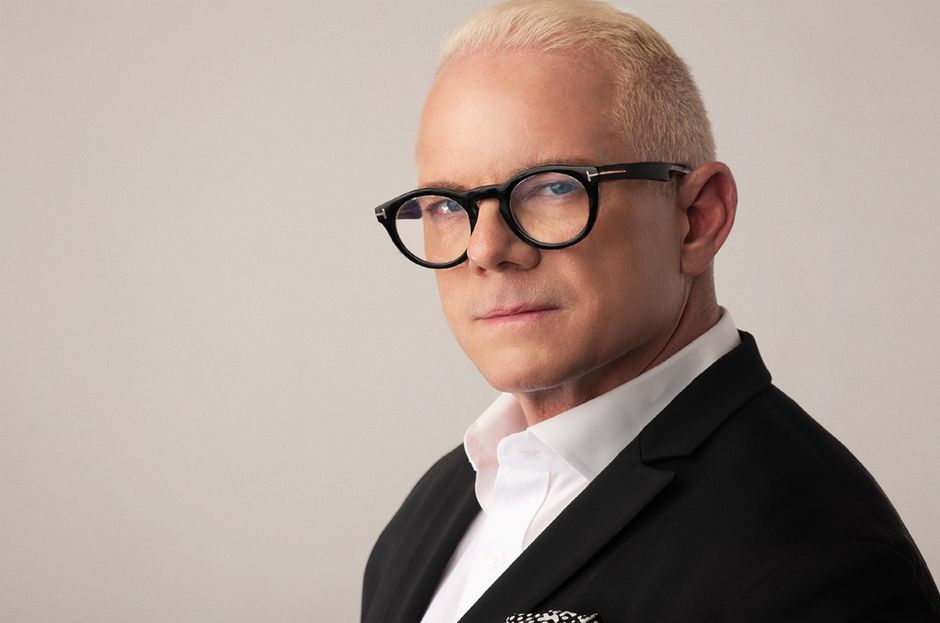
Professional headshots taken on-site solve this. You get polished images of people in their event context, wearing what they wore that day, with the energy and momentum of the event captured right there. These photos work for everything afterward: company websites, speaker bios, media kits, LinkedIn profiles, and award submissions.
The ROI math is simple. A single professional headshot can cost anywhere from $45 to $450 depending on the method and quality level. But one good headshot used across multiple channels (media coverage, company bio, conference materials, social profiles) multiplies that value instantly. You’re not buying a single photo. You’re buying content assets that work for your organization for years.
Monarch Event Photography builds headshot sessions directly into their corporate event coverage, so you don’t have to book a separate vendor or add extra time to your schedule.
What to Know Before Your Corporate Event Headshots
The difference between a mediocre headshot and a great one usually comes down to three things: preparation, styling, and posing.
Start with preparation. Brief your team on what to expect. If someone knows they’re getting their photo taken, they’ll show up with intention. They’ll think about their outfit the night before. They’ll check their reflection. They’ll be present for the photo instead of caught off-guard.
Styling matters way more than people think. According to research on professional corporate imagery, clothing choices and background selection are core elements that determine whether a headshot lands as polished or casual. That doesn’t mean everyone needs to wear a suit. It means clothes should fit well, colors should be intentional (earth tones and jewel tones tend to photograph better than busy patterns), and grooming should be on point. If your event has a dress code, that code is half your styling battle already won.
Posing technique sounds intimidating, but it’s really just about comfort and direction. A good photographer will guide people into natural poses that don’t look stiff or awkward. They’ll know how to position shoulders, angle the face, and direct eye contact so people look like themselves, not like they’re sitting for a mug shot.
One more thing: timing. If you’re doing headshots at your event, do them early in the day or event, before people are tired or their makeup has shifted. Build it into your event schedule as a dedicated block with clear sign-ups so there’s no scramble.
Choosing the Right Photographer for Event Headshots
Not all event photographers are equally skilled at headshots. Some specialize in candid coverage and struggle with posed portraiture. Others are portrait artists but feel uncomfortable in the fast-paced, uncontrolled environment of an event.
When you’re evaluating a photographer, look at their portfolio specifically for event headshots, not just their overall event work. Can they work fast? Do the headshots look polished but natural? Are people’s expressions relaxed or tense? Do the backgrounds work for professional use, or are they cluttered?
Ask about their process. How many takes do they do per person? Do they capture options with different expressions and angles, or is it one shot per person? Do they do any basic retouching on headshots (light skin tone correction, blemish removal), or do you get unedited files? What’s the turnaround time for getting files back?
A professional corporate event photographer should be able to capture 15 to 25 quality headshots per hour, depending on the level of retouching and styling involved. If someone’s quoting you significantly slower than that, they might not be structured for event work.
Technical Considerations for Event Headshot Sessions

Event environments are tricky for headshots. Lighting might be dim, there might be background chaos, and you’re working with people who have 10 minutes between commitments.
The best photographers bring their own lighting to events specifically to create controlled, professional headshot conditions. This usually means a portable setup that creates flattering light on people’s faces without looking artificial. It also means a backdrop or designated area that separates the headshot session from the event flow, so you’re not shooting through crowds or competing with event ambiance.
You should also expect the photographer to be directing traffic and keeping people moving. A good event headshot session feels organized and efficient to the people getting photographed. They walk up, get positioned, take a few photos, and they’re done in under five minutes. That’s the goal.
If you’re worried about the logistics, professional event photography services that specialize in corporate work usually handle all of this—lighting, backdrop, flow, retouching—as a built-in part of their offering.
Getting the Most Out of Your Event Headshots
After your event, you want files organized, backed up, and ready to use immediately. That means either the photographer delivers them to you, or you have a clear system for accessing them through an online gallery.
Ask your photographer for usage rights. You should own the images and be able to use them internally for company materials, LinkedIn, websites, and press releases. You might also want to clarify whether the photographer can use event images in their portfolio. (Most photographers ask for permission—it’s standard.)
Organize your files by person and by use case. Create folders for speaker bios, staff bios, award submissions, and social media. This takes 20 minutes and saves you hours of searching later when someone needs a headshot in a hurry.
Finally, update your internal systems. If someone’s had their professional headshot taken at your event, that should replace the old photo in your employee directory, speaker database, and website. Stale photos send a confusing message about whether your company is current and engaged.
Planning Headshots Into Your Event Budget
How much should you budget for professional headshots at a corporate event? It depends on how many people you’re photographing, whether you want retouching, and what level of expertise you’re hiring.
If you’re having an existing event photographer add a headshot session to their coverage (which is the most efficient approach), it might add 10 to 20 percent to your photography budget. If you’re hiring a separate headshot vendor, you’re looking at a session fee plus per-person or per-image costs.
The math usually justifies itself quickly. One headshot per executive used across LinkedIn, company website, and press materials probably generates more value than a hundred candid event photos. You’re buying focused, intentional imagery that serves specific business purposes.
When you’re planning your event photography, make sure professional headshots are part of the conversation with your photographer from the start. It should be baked into the scope of work, not added as an afterthought. This is exactly the kind of detail that separates events that feel polished and organized from events that feel scrambled, and your photos are usually the last thing anyone sees from your event—so they should be the best thing people see.
Common Questions About Professional Event Headshots

How long does a corporate event headshot session usually take?
A typical session for 10 to 15 people takes 45 minutes to an hour if you’re doing basic poses and minimal retouching. If you want multiple outfit changes, styled backgrounds, or heavier editing, add another 30 to 60 minutes. The key is scheduling it efficiently so people aren’t waiting in line and your event flow isn’t disrupted.
Should we do headshots before, during, or after the main event?
Early in the event is usually best—people still look fresh and engaged, their clothes fit right, and makeup hasn’t shifted. Avoid the very end when energy is low and people are tired. If your event runs all day, mid-morning is ideal. This also lets you share photos quickly, which people love.
What should people wear for corporate event headshots?
Stick with your event dress code or go one step more formal. Solid colors and simple patterns photograph better than busy prints. Avoid all white or all black if possible (these create exposure issues). Make sure clothing fits well and feels comfortable. People photograph better when they’re not thinking about tugging at their collar or smoothing their jacket.
Can we reuse corporate event headshots for different purposes?
Absolutely. That’s the whole point. One professional headshot should work for your company website, LinkedIn profile, media kit, speaker bio, press releases, and internal directories. Make sure you own the usage rights and the photographer confirms you can use the images commercially.