

Trade show photography is more than just snapping pictures of booths and attendees. It’s about capturing the energy, connections, and key moments that represent your brand at the event. When done right, these images become assets you’ll use across social media, marketing materials, websites, and presentations for months afterward.
If you’re planning a trade show, conference, or convention and wondering how to document it professionally, you’re in the right place. Let’s walk through what makes trade show photography work and how to ensure you capture everything that matters.
What Is Trade Show Photography?
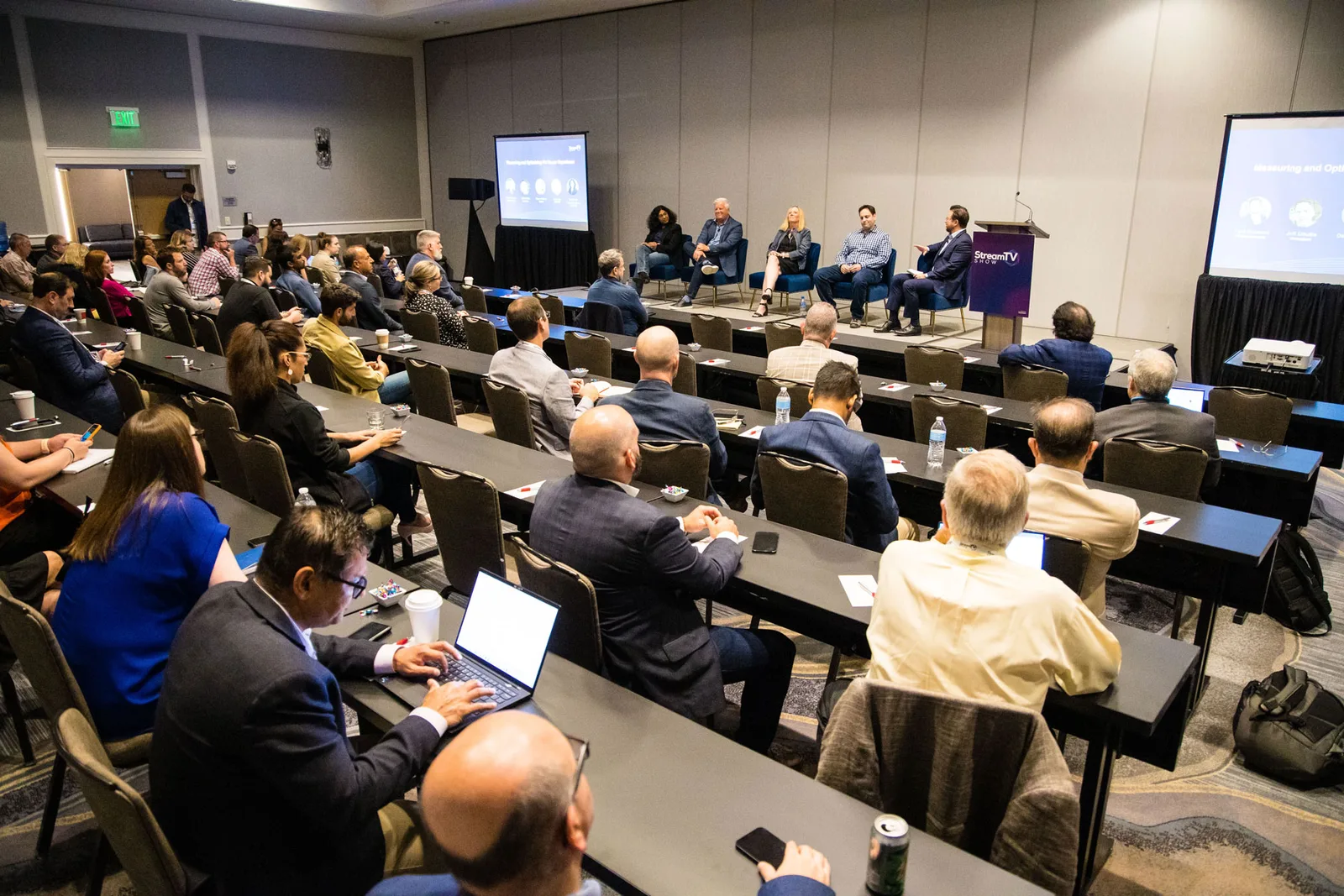
Trade show photography covers everything that happens at your event from setup to breakdown. This includes your booth in action, exhibitors engaging with attendees, speakers presenting, networking moments, and the overall convention floor environment.
The goal isn’t just coverage for coverage’s sake. You’re building a visual record of your brand’s presence at the event. Those images prove you were there, show your team in action, and give you content to repurpose across every marketing channel you use.
Good trade show photos capture genuine moments, not stiff poses. Attendees shaking hands at your booth, someone laughing during a presentation, a booth demo in full swing, the energy of the floor during peak hours, a speaker commanding attention on stage. These tell a story about your event that text alone can’t.
Develop a Shot Strategy Before the Event
The difference between okay photos and great ones often comes down to planning. Before you step foot on the convention floor, know what you need to capture.
Start by identifying your priorities. Which booths or areas matter most? Are there key speakers or presentations? Which exhibitor interactions are worth documenting? Do you want headshots of your team or leadership at the event? Is the photo booth a centerpiece, or are you focusing on authentic floor coverage?
Make a list. Seriously. Write down the specific moments, people, or areas you don’t want to miss. Share this with whoever is handling photography (whether that’s internal staff or Monarch Event Photography). This simple step prevents scrambling and ensures nothing important gets overlooked.
Also think about timing. When is foot traffic heaviest? When are presentations scheduled? When do you expect the most important networking to happen? Your photographer should be positioned for these moments.
Choose Lenses and Composition Based on Your Venue
The physical space of your trade show affects what you need to photograph it well.
Large convention centers with high ceilings need different lens choices than smaller hotel conference rooms. Bright overhead lighting creates different shadows than natural windows. A packed floor requires different positioning than a quieter venue.
Composition matters because a cluttered, poorly framed photo of your booth won’t represent your brand well. Good composition draws the eye to what matters, eliminates distractions, and makes even a crowded floor look organized and professional.
Think about the story each shot tells. A wide shot of your booth shows the whole setup and atmosphere. A close-up of someone interacting with your product tells a different story about engagement. A mid-range shot of your team members at their booth positions shows people at work. Use a mix of these to create a complete visual narrative.
Capture Your Booth and Your Brand Story
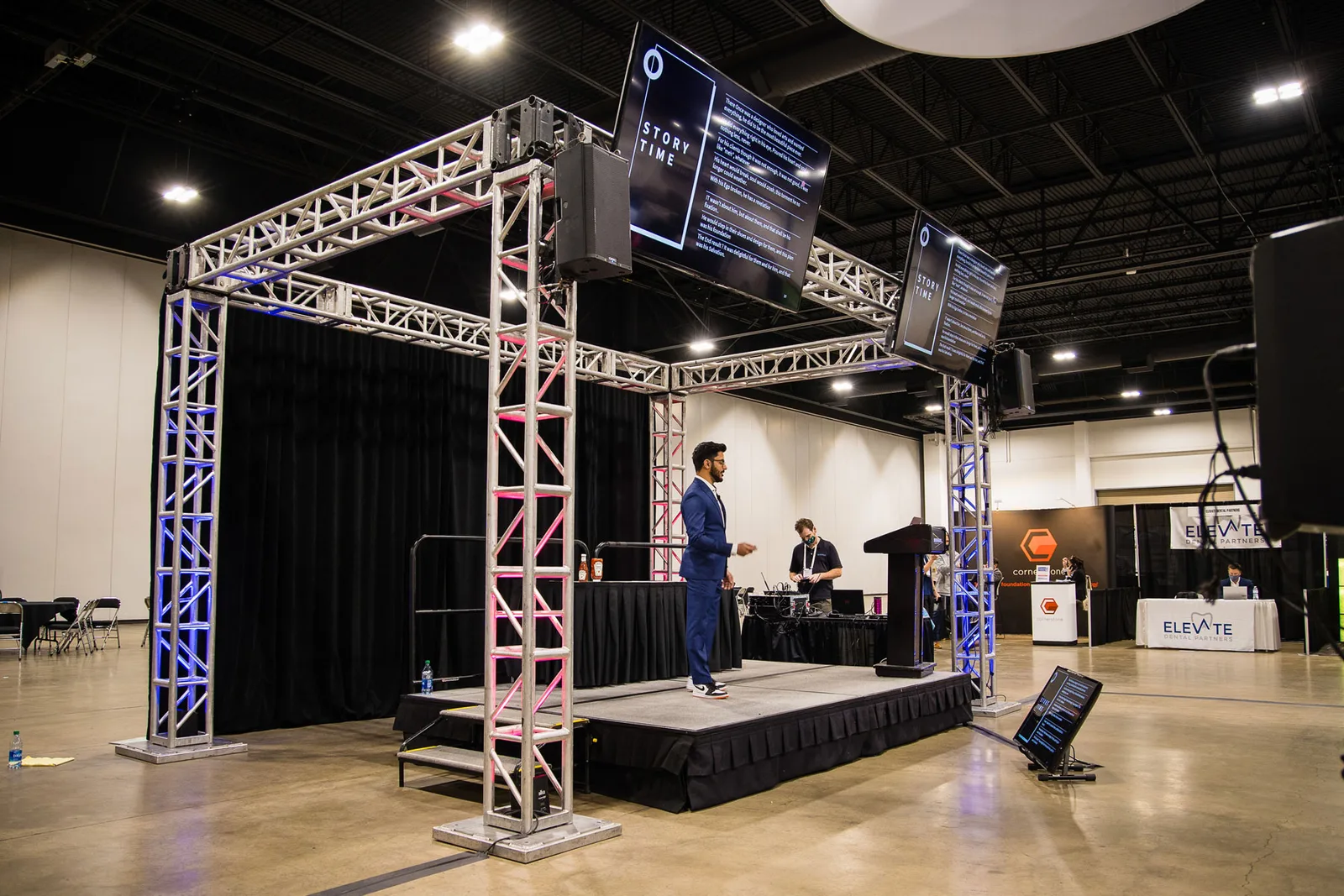
Your booth is the centerpiece. You want photos that show it off, especially if it’s visually interesting or represents a significant investment.
But don’t stop at the booth sitting empty. The real story happens when people are using it, walking through it, asking questions, or experiencing what you’re showing. Photograph the action, not just the set. Get shots of visitors interacting with your products or services, your team explaining things to prospects, the energy of your booth during busy times.
Include some environmental shots too. These show where your booth sits in the context of the whole floor, giving viewers a sense of the event’s scale and your place in it.
Document the Convention Floor and Attendee Interactions
Don’t get tunnel vision on your booth. The broader trade show floor tells important stories too.
Capture the general energy and atmosphere. Wide shots of the packed floor during peak hours, attendees walking between booths, groups gathered at interesting displays, the overall vibe of the event. These contextual images help people who weren’t there understand what the experience was like.
Zero in on genuine attendee interactions. When someone is asking your team a question, leaning in during a conversation, laughing at a speaker’s joke, or examining a product closely, these are the moments worth capturing. They show that your presence at the show was meaningful and engaging.
Real-time delivery becomes important here. If you want to use photos on social media the same day or the next morning, your photographer needs to have images ready quickly. This immediate turnaround keeps your event’s momentum going and gives you content when engagement is highest.
Think About How You’ll Reuse These Images
Before the event even starts, consider where these photos will live after it’s over.
Trade show images work across social media posts, LinkedIn articles, your website’s news or events section, email newsletters, presentations to leadership, case studies, and marketing materials for upcoming events. One strong photo from your booth might get used in five different places over the next year.
This means you need variety in your coverage. Landscape and portrait orientation shots. Images with plenty of white space where you can add text. Photos with your team’s faces clearly visible. Shots that show products or services. Images of attendee reactions and engagement.
When you work with Monarch Event Photography, you get usage rights included, which means you’re free to repurpose these images anywhere your business needs them. That extends the value of your investment far beyond the event itself.
Lighting and Real-Time Challenges

Trade show venues throw curveballs at photographers. Overhead fluorescent lighting, spotlights, mixed color temperatures, and sometimes dim areas all show up in the same room.
A professional photographer knows how to work in these conditions. They understand how to expose for difficult lighting, position themselves to avoid harsh shadows on people’s faces, and capture clear images even when the venue isn’t ideal.
This is one reason hiring a dedicated professional matters more for trade shows than for, say, a casual internal meeting. The environment is challenging, and you need someone who can deliver polished results no matter what the space throws at them.
Plan for Photo Booth and Instant Delivery Options
Many trade shows benefit from a photo booth or instant photo experience. Attendees love walking away with something tangible, and you get immediate social media content and attendee engagement.
If you’re adding this to your event, coordinate it with your floor coverage plan. You don’t want your photographer pulled away from documenting key moments just to run a booth. Some events use a dedicated photo booth setup while another photographer handles floor coverage. Others integrate a booth experience into the overall coverage strategy.
Instant or same-day delivery of images is becoming standard expectation. Whether it’s photos from a booth printing immediately or professional images uploaded by the end of the day, real-time access means you can start using them right away instead of waiting weeks.
Why Professional Trade Show Photography Matters
You could assign this task to someone on your team, but there’s a reason professional event documentation has become standard practice at conferences and trade shows.
A professional brings consistency, reliability, and technical expertise. They show up with backup equipment, understand how to work in crowded environments, know how to anticipate moments before they happen, and deliver polished final images. They don’t get distracted by running your booth or attending sessions. Photography is their only job, and it shows in the quality.
Beyond technical skills, a professional has invested experience with event coverage. They know which angles work best in convention center lighting, how to capture authentic moments without people looking stiff, and how to deliver images in formats and quantities that actually serve your marketing needs.
Related: Meeting Photography: How to Capture Professional Event Coverage
If you’re serious about using your trade show attendance as a marketing and branding opportunity, professional coverage is the difference between casual documentation and strategic brand storytelling.
Getting Started With Your Trade Show Coverage Plan
Start with that shot list we mentioned earlier. What moments and areas absolutely need to be captured? Who needs to be photographed? What does success look like visually?
Next, decide whether you’re hiring a professional or assigning this internally. If you’re hiring, reach out to photographers in your area who specialize in event coverage. Ask about their experience with trade shows specifically, what their delivery timeline is, and whether usage rights come with your package.
Finally, brief your photographer (or your internal team) before the event. Share your priorities, walk them through the venue if possible, let them know the timing of key moments, and make sure they understand your brand and what matters most to showcase.
Need guidance on finding and coordinating professional coverage? Monarch Event Photography specializes in exactly this kind of event documentation and can walk you through the process for your trade show or conference.
Related: Conference Photography: Complete Guide to Professional Coverage
People Also Ask
How much advance notice do I need to give a trade show photographer?
Most professional event photographers prefer at least a few weeks’ notice so they can hold the date, understand your priorities, and prepare for the specific venue and event type. Ideally, you’ll book them when your event is confirmed and details are locked in. Last-minute requests sometimes work, but you’ll have better options and service if you plan ahead.
What file formats should I ask for from my trade show photographer?
Request both high-resolution digital files (full-sized images for print and large displays) and web-optimized versions (smaller files for social media and quick uploads). Ask about delivery format, too, whether that’s a cloud link, USB drive, or direct upload to your preferred platform. Digital files should come with full usage rights so you can repurpose them across all your marketing channels without restrictions.
How long does it usually take to get photos back after a trade show?
Delivery times vary. Some photographers offer same-day or next-day uploads for key shots. Others provide a full gallery within a week. Discuss this upfront and be clear about your timeline. If you need images for social media the next morning, say so during your initial conversation so the photographer can plan their workflow accordingly.
Should I have a photo booth at my trade show booth?
It depends on your goals. Photo booths create instant engagement, give attendees a takeaway, and generate social media content. But they work better at some events than others. Large trade shows with heavy foot traffic benefit more than intimate conferences. Consider your booth size, budget, and whether your audience typically engages with this kind of experience before adding one to your plan.