

Meeting photography is all about documenting the moments that matter at your corporate event, conference, or business gathering. It’s not just about snapping random shots, though. Good meeting photography tells the story of your event through varied angles, thoughtful framing, and a clear plan for what you’re trying to capture.
If you’re planning a meeting and wondering how to get professional documentation, or if you’re a photographer stepping into this type of work for the first time, this guide walks you through what it actually takes to do it well.
Why Meeting Photography Matters for Your Event
Your meeting or conference is happening right now, and once it’s over, it’s gone. Photography captures that energy, the people involved, and the value of what took place. Those images become proof of attendance, marketing assets, internal communications, and company records all at once.
When done thoughtfully, meeting photography also shows attendees they were important enough to document professionally. It’s a subtle signal that your organization takes the event seriously.
Plan Your Shooting Strategy Before the Event Starts
The best meeting photographers don’t walk in without a plan. Before your event kicks off, you need to know what moments matter most.
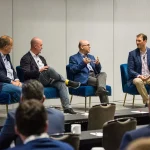
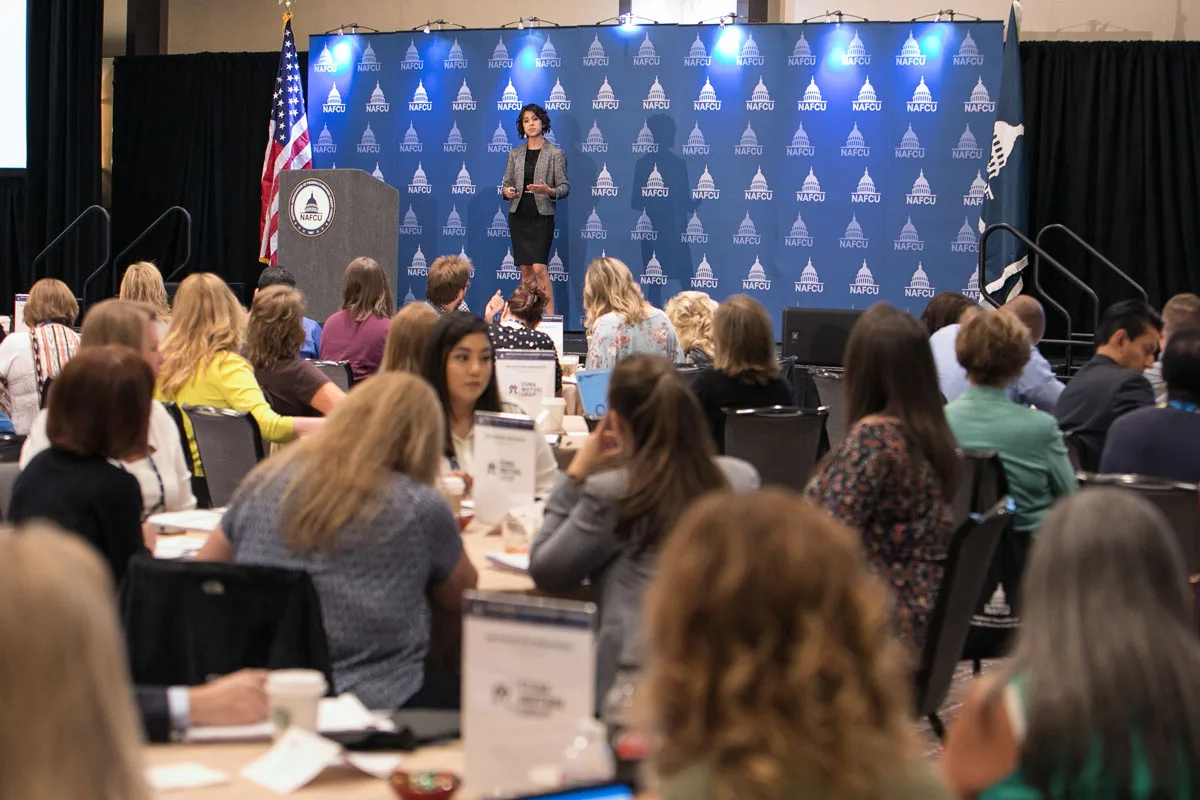
Talk to the event organizer about the schedule. Is there a keynote speaker? Panel discussion? Networking breaks? Award presentations? Awards ceremonies? Each of these moments needs different coverage. A keynote requires close-ups of the speaker plus wide shots of the audience reaction. A networking break needs candid shots of people connecting.
Write down the order of events and note which moments are non-negotiable to capture. That focus keeps you from feeling overwhelmed when everything is happening at once.
Also ask about VIP attendees, executives, or specific moments the organizer wants documented. This prep work cuts stress and improves results dramatically.
Use Multiple Angles and Framing Approaches
Don’t shoot everything from one spot or one angle. Move around the room and capture your subjects from front, side, and back perspectives. This variety gives you options when it’s time to select images.
Mix your framing too. Shoot some photos in landscape orientation and others in portrait. Include close-ups of speakers or key moments, but also wide-angle shots that show the room and context. A close-up of a speaker’s face matters, but so does a wide shot showing that 500 people are listening intently.
Full-body compositions are especially valuable for meeting photography. Instead of just head shots, frame people from head to toe when possible. This shows what people are wearing, their posture, and more of their presence in the room. It also gives you more flexibility when people want to use these images for promotional purposes or internal communications.
Stay Ready for the Full Duration of Your Event
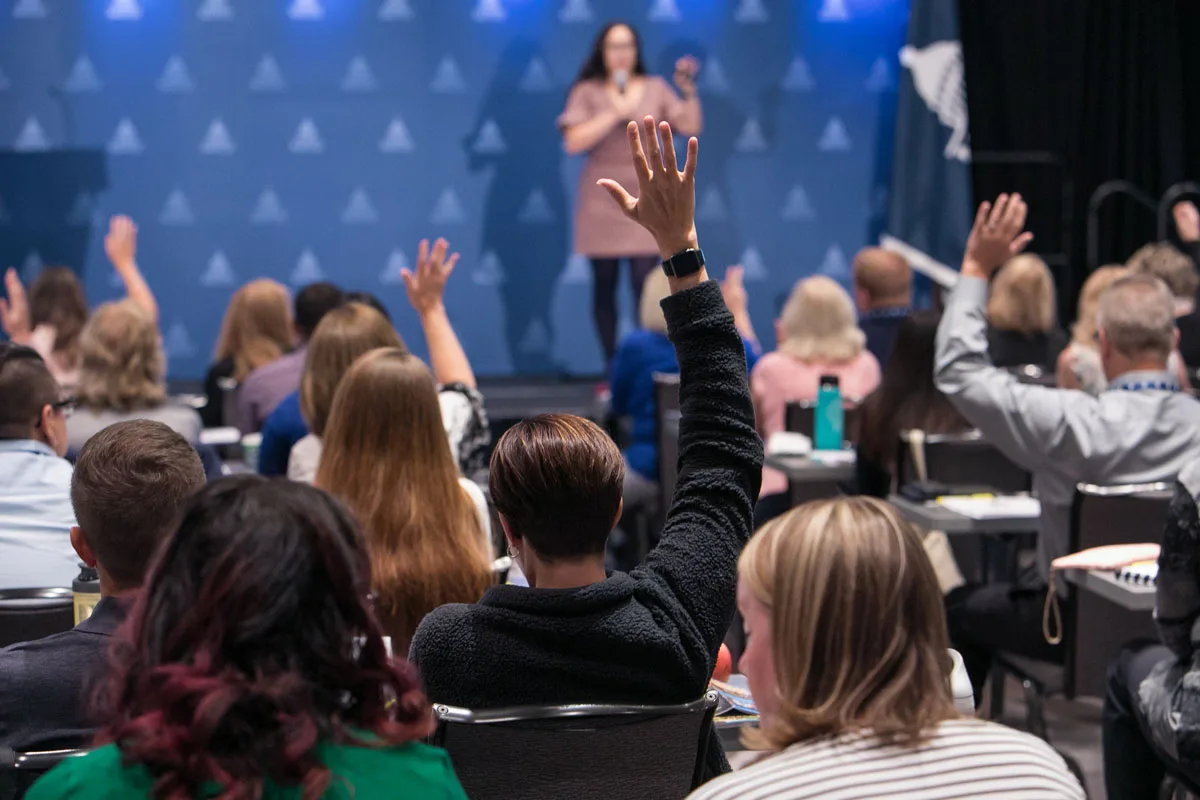
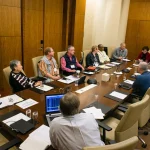
Most meetings and conferences run for hours. A typical corporate meeting might last two hours or longer, and a full conference could stretch across multiple days. You need to stay sharp and maintain quality coverage throughout.
Related: Corporate Meeting Photographer: What You Need to Know
Before you start, make sure your camera batteries are fully charged and you have backup batteries on hand. Check your memory cards and bring extras. Running out of battery or storage halfway through your event is a guaranteed way to miss crucial moments.
Pace yourself mentally too. The first hour might feel energized and exciting, but by hour two or three, fatigue can creep in. Remind yourself to keep moving, stay observant, and look for candid moments even as the day goes on.
If your event is especially long or covers multiple days, consider whether you need to build in breaks or bring a second photographer to split coverage.
Capture Candid Moments and Authentic Interactions
Some of the best meeting photography happens when people aren’t looking directly at the camera. Candid shots of genuine conversation, focused listening, or authentic emotion tell a richer story than forced posed images.
Position yourself to observe the room without being intrusive. Watch for moments of laughter, intense conversation, or someone making an important point. These unguarded moments are what make meeting photography feel alive and real.
That said, don’t ignore posed shots entirely. Group photos, speaker portraits, and official moments still matter. But balance them with candids for a complete visual story of your event.
Handle Mixed Lighting and Venue Challenges
Meeting spaces aren’t always ideal for photography. You might be dealing with dim conference rooms, harsh fluorescent overhead lights, large windows causing glare, or a mix of lighting types all in one room.
Arrive early and scout your venue. Notice where the light is brightest and where shadows fall. Position yourself to use available light to your advantage. If a speaker will be on stage with backlighting, move to a spot where you can capture them against the light rather than shooting into it.
Be prepared to adjust your camera settings throughout the event. As daylight fades outside windows or as people move between rooms with different lighting, your ISO and shutter speed will need tweaks to maintain proper exposure.
Manage Your Files and Deliver Images on Time
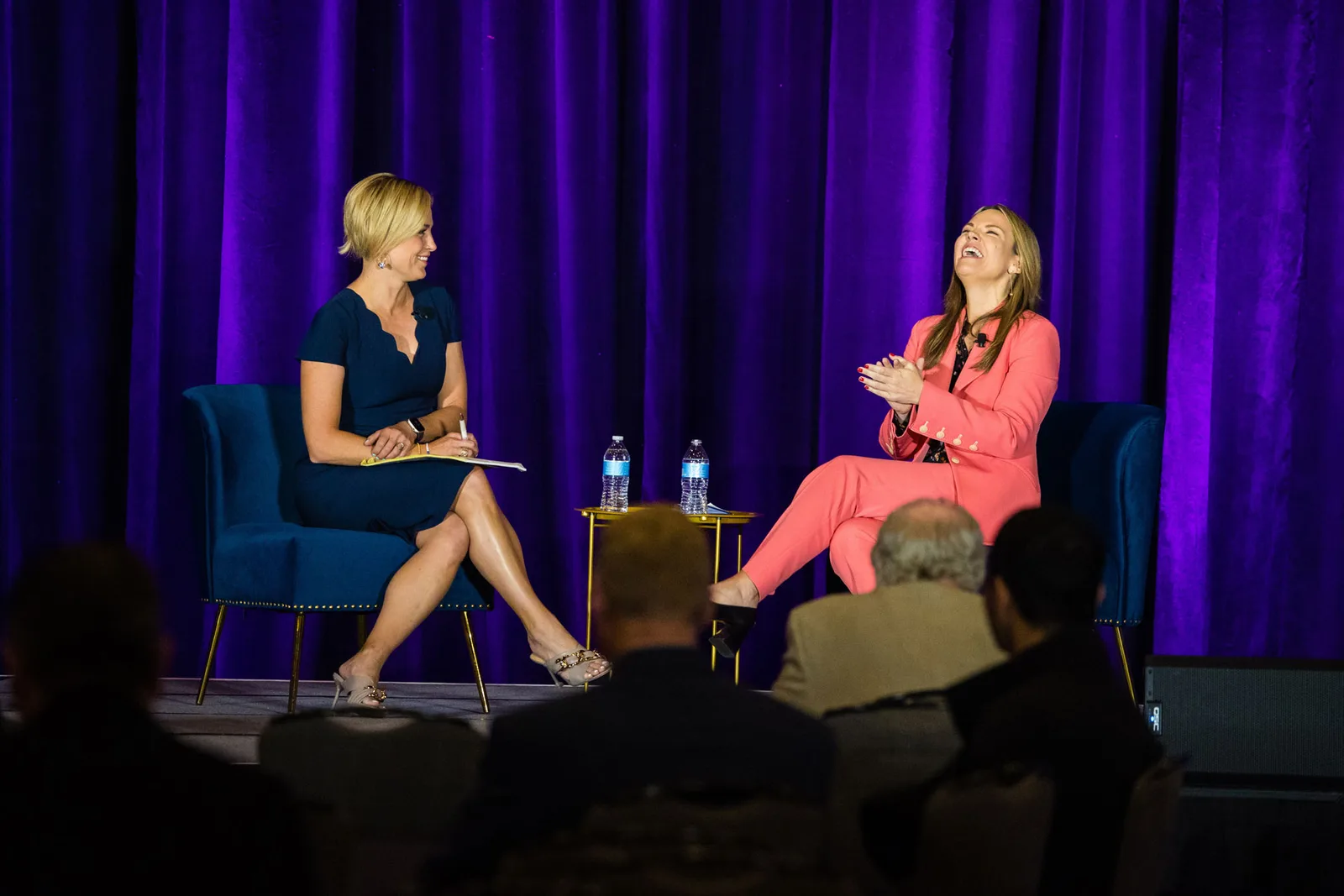
Your event is over, but the work isn’t. You need to organize, review, and prepare your images for delivery. If you’re shooting hundreds of photos across a two-hour event, you could easily end up with thousands of images to sort through.
Set up a clear filing system before the event even happens. Use descriptive folder names organized by time or by event segment. This makes it faster to find specific moments later.
Review your images while the event is still fresh in your mind. You’ll remember context and can make better decisions about which shots matter most. Plan for a realistic turnaround time and communicate that clearly to your client from the start. Most meeting photography clients expect images within a week, though some need faster delivery for immediate promotional use.
If handling this yourself feels overwhelming, Monarch Event Photography offers professional meeting coverage with fast turnaround and usage rights included, so your images are ready to go when you need them.
Related: Gaylord Rockies Photographer: Professional Event Coverage
Know When to Hire a Professional
Meeting photography sounds straightforward until you’re actually doing it. Balancing composition, lighting, movement, and timing while staying alert for hours is genuinely demanding work.
If your event is important to your organization, if you need high-quality images for marketing or records, or if you simply want to be fully present at your own event instead of managing a camera all day, hiring a professional is the smart move.
A professional photographer brings experience with event coverage, professional-grade equipment, and the ability to anticipate moments before they happen. They also handle all the technical challenges, editing, and delivery so you can focus on your event itself.
Professional meeting photographers who specialize in corporate events understand the context of what they’re shooting. They know which moments to prioritize and how to capture your event in a way that reflects your organization’s values and professionalism.
People Also Ask
What equipment do I need for meeting photography?
At minimum, you need a reliable camera body, two lenses (one wide-angle for room context and one telephoto for speaker close-ups), and fully charged batteries plus backups. A tripod can help steady shots in low light. Professional-grade gear handles low light and mixed lighting better than entry-level equipment, which matters because meeting spaces are notoriously dim.
How many photos should I take at a meeting?
That depends on the length and importance of your event. For a two-hour meeting, 300-500 images is reasonable. For a full-day conference, you might capture 1,000 or more. The goal isn’t quantity, though. It’s having enough variety that you can select the best, most representative images afterward.
Should I pose people or capture candids?
Both. Posed shots of speakers, group photos, and official moments are important for formal records. Candid shots of real interaction and genuine moments tell the human story of your event. A mix of both gives you the most complete documentation.
What do I do with meeting photos after the event?
Use them for internal communications, website content, social media, annual reports, and marketing materials. Share them with attendees as a thank you. Archive them as official company records. Meeting photography has real value beyond the event day itself, so plan ahead for how you’ll use the images once you have them.