

Corporate event photographers do a lot more than just point a camera and hope something looks good. They document your conference, trade show, networking event, award ceremony, or fundraiser in a way that tells your company’s story visually. Whether you’re planning an intimate executive meeting or a massive convention, knowing what corporate event photographers bring to the table helps you hire the right person and get images you’ll actually want to use.
What Corporate Event Photographers Actually Do
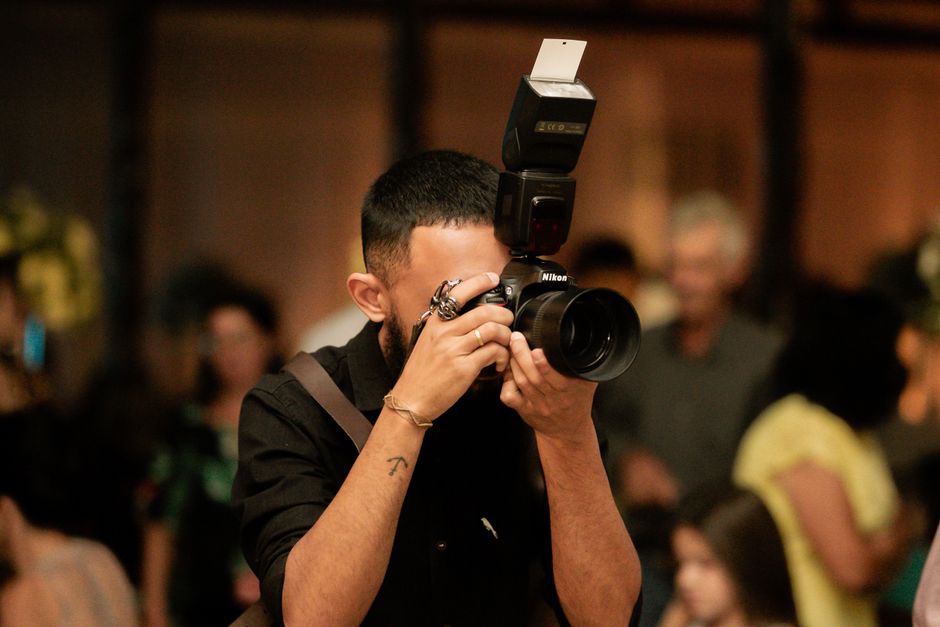
Let’s be clear about the scope. Corporate event photographers capture moments that matter to your business: keynote speakers at the podium, attendees networking, award recipients, booth interactions, and candid shots that show energy and engagement. They’re not there to create art or experiment. They’re there to document your event in a way that reflects your brand and gives you usable imagery for marketing, reports, and internal communications.
Good corporate photographers also handle the technical stuff you shouldn’t have to think about. They scout lighting conditions before the event, plan shot sequences around your agenda, and manage the chaos of a live event without missing key moments. Many also offer on-site services like executive headshots or photo booth rentals, which add value and keep everything coordinated under one vendor.
Why the Right Photographer Makes a Real Difference
Bad event photography is worse than no photography at all. Blurry shots, missed moments, poor lighting, or images that don’t align with your brand narrative waste time and money. Good corporate event photographers understand your objectives before the event even starts. They know what matters to your company, how you want to be perceived, and which moments will actually be useful later.
Related: Denver Event Photographer for Corporate Meetings: Complete Guide
Related: Corporate Event Photography Pricing in Colorado: 2026 Rates & Budget Guide
That’s why companies that work with professional event photography teams consistently report faster turnaround on imagery, higher usability rates, and better visual consistency across their event documentation. You’re not just paying for someone to show up with a camera. You’re investing in someone who understands your event’s purpose and delivers accordingly.
How to Brief Your Corporate Photographer Before the Event
This is where most hiring mistakes happen. Event planners assume photographers just “know” what to shoot. They don’t. Your photographer needs a detailed briefing to nail the coverage.
Start with a shot list. Write down the moments that matter most: the opening remarks, specific speakers, networking sessions, awards presentations, and any branded activations. Prioritize them. Your photographer can’t be in two places at once, so clarity about what comes first is essential.
Walk through the venue and lighting. Show your photographer where the keynote stage is, which areas are naturally dark, where your photo booth will be set up, and where executives will meet attendees. Bad lighting ruins even good photographers’ work. If your venue has tricky lighting, flag it early so they can plan accordingly.
Share your brand guidelines and style. Do you want formal, polished images? Candid, energetic shots? A mix? Different companies have different visual languages. Your photographer should know whether you’re documenting a serious enterprise conference or a fun company celebration. Context matters.
Confirm technical details. How many hours will they be shooting? Are there multiple venues? Do you need digital files, prints, or both? When do you need images delivered? These logistics sound boring, but they prevent surprises after the event.
What to Expect in Terms of Turnaround and Deliverables
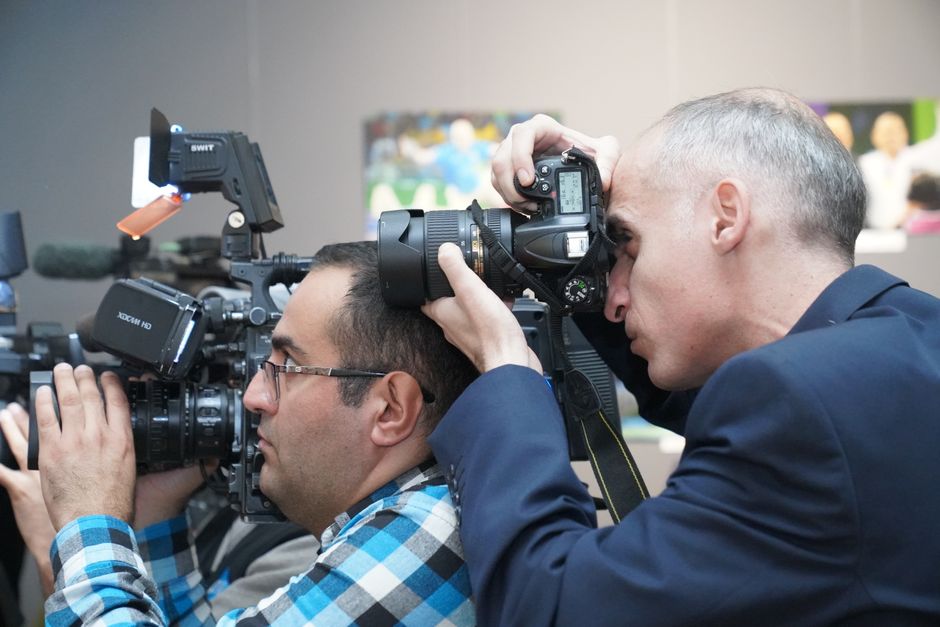
Professional corporate event photographers typically deliver edited, high-resolution digital files within 1-2 weeks of your event. That timeline accounts for shooting, culling (removing the bad shots), editing for color and consistency, and organizing files in a way you can actually use.
You should expect usage rights included in your agreement. That means you can use the images for internal communications, marketing, annual reports, and social media without paying extra licensing fees or worrying about copyright issues. Always confirm this in writing before you hire anyone.
File organization matters too. Ask how the photographer will deliver your images. Do they upload to a cloud service? Provide a USB drive? How are files organized and named? When you’re dealing with hundreds of images, a poorly organized folder set becomes a headache fast.
Red Flags When Hiring Corporate Event Photographers
Watch out for photographers who don’t ask questions during the initial consultation. If they’re not curious about your event’s goals, your audience, your venue, or your timeline, they’re treating this like a generic gig. That’s a sign they’ll deliver generic results.
Also be skeptical of photographers who don’t use contracts. A professional agreement protects both of you. It spells out what you’re paying for, when you’ll get images, what happens if they get sick, and what usage rights you have. Handshake deals sound friendly until something goes wrong.
Finally, ask to see a full event coverage example from their portfolio. Don’t just look at the best-of highlights. Ask to see a larger gallery from a single event so you can judge their consistency, their ability to capture different types of moments, and their editing style across an entire event.
The Value of Experience in Your Industry
A photographer who regularly shoots corporate events knows the rhythm. They understand that conference keynotes need wider shots of the stage and audience, trade shows need booth detail and interaction shots, and award ceremonies need tight portraits of winners. They’ve learned through repetition what works and what doesn’t.
Experience also means they’ll anticipate problems. They know which speakers tend to move around the stage. They know that networking areas often have terrible overhead lighting. They know that candid moments happen between the “official” moments. That intuition comes from doing dozens of these events, not just a few.
When you’re ready to hire someone, Monarch Event Photography specializes in exactly this type of work for corporate clients in the Denver area. But regardless of who you choose, look for someone with solid corporate event experience and a portfolio that shows they understand your industry.
How to Maximize Your Photography Investment

You’re paying good money for event photography. Make sure you actually use the images you get.
Before the event, brief your communications team on what you’re shooting and when. Make a plan for how images will be used afterward. Will they go in a press release? Posted to LinkedIn? Included in an event recap email? A client report? If your team knows images are coming, they can plan to use them instead of the images sitting in a folder.
Also request a mix of horizontal and vertical shots. Vertical images work better on social media and mobile. Horizontal images work better for presentations and printed materials. A photographer who thinks about this in advance delivers images that work in more contexts.
Finally, ask for a quick turnaround preview. Some photographers will send you a small gallery of the best shots within a few days while they’re finishing the full edit. That lets you start using images for immediate communications before the full set is ready.
Key Takeaways About Hiring Corporate Event Photographers
Corporate event photographers are a specific type of professional. They’re not doing creative portraiture or artistic experimentation. They’re documenting your business event in a way that serves your company’s goals. The right photographer asks good questions, delivers consistent results, and understands your brand’s visual needs.
When you’re evaluating corporate event photographers for your next conference, trade show, or company gathering, spend time on the briefing. Give them shot lists and venue context. Ask about their experience with events like yours. Look at full event galleries, not just highlights. And always get a contract that spells out deliverables and usage rights.
If you’re in the Denver area and looking for a team that specializes in this exact work, Monarch Event Photography handles corporate events with the kind of precision and attention to detail that makes a real difference in your final imagery.
People Also Ask
How much should I budget for corporate event photography?
Budget depends on event size, duration, and location. A half-day event typically runs $1,000-$2,500. Full-day coverage is usually $2,000-$5,000 or more. Add extra if you need multiple photographers (for large events where simultaneous coverage matters) or on-site services like headshots or photo booths. Always get a written quote that specifies what’s included and when you’ll receive files.
Should I hire one photographer or two for my corporate event?
That depends on your event’s scale and complexity. For smaller meetings or half-day conferences under 100 people, one photographer usually works fine. For large trade shows, multi-track conferences, or events spanning more than 4-5 hours where simultaneous coverage matters, two photographers let you capture more moments without gaps. Discuss your event size and objectives with your photographer during the initial consultation.
What format should I request for my final images?
Ask for high-resolution JPEGs (300 DPI or higher) suitable for printing and digital use. Request digital files delivered as organized folders with descriptive naming (like “Keynote-Speaker-Name-01.jpg” rather than “DSC_1234.jpg”). Confirm you have the right to use the images for internal and external communications. Some photographers also offer cloud storage or galleries for easy sharing with your team and stakeholders.
Can my corporate photographer also do a photo booth at the event?
Many professional event photographers offer photo booth rentals as an add-on service. This works well because it’s all coordinated through one vendor, the photographer is familiar with your event’s flow, and the booth becomes part of your overall event documentation. Ask whether your photographer offers this service and how it affects timing and pricing.