

If you’re planning an event at the Colorado Convention Center, you’re probably wondering how to get professional photography that actually captures what happened. The good news: there are experienced photographers who know that venue inside and out, and they understand exactly what it takes to document your conference, trade show, or corporate gathering the right way.
Let’s walk through everything you need to know about booking Colorado Convention Center photographers, what they can cover, and how to make sure you end up with images that matter.
What Colorado Convention Center Photographers Actually Do
A professional photographer at the Colorado Convention Center isn’t just there to snap a few photos and call it a day. They’re documenting your entire event in a way that tells the story of what happened.
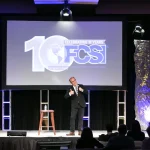
This means capturing presentations and keynotes as they happen, catching the energy during networking sessions, documenting attendee interactions, and often shooting formal headshots or group portraits. The best photographers also get the candid moments that nobody stages but everyone remembers.
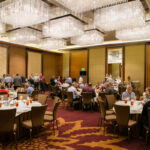
The Colorado Convention Center is a massive space with multiple ballrooms, breakout rooms, and auditoriums. A professional photographer needs to understand the layout, know where the best angles are, and anticipate where the action will be. Monarch Event Photography specializes in exactly this kind of multi-venue event coverage in the Denver area, which means they’re used to navigating convention spaces and keeping up with the pace of large-scale corporate events.
Related: Sheraton Denver Downtown Photographers: Guide to Professional Coverage
Related: Gaylord Rockies Event Photographers: Complete Coverage Guide
Planning Your Photography Coverage Step by Step
Start by figuring out what you actually need photographed. Don’t just think “everything.” Be specific. Do you need coverage of the keynote? The expo floor? Sponsor booths? A VIP dinner? Headshots? A group photo? Each of these requires different positioning, timing, and sometimes different photographers.
Next, think about the timeline. How long is your event? Is it one day or three days? Are there simultaneous sessions happening in different rooms? A photographer can’t be in two places at once, so if you have overlapping events you care about, you might need multiple photographers or you’ll need to choose which sessions get priority coverage.
Then, walk through the venue if you can. Where is the lighting good? Where are the dark corners? Where will people gather? Where are the sight lines for presentations? This matters because a photographer who’s never seen your specific setup might miss the best angles. Experienced convention center photographers have already learned these things, so they can hit the ground running.
Finally, decide on your delivery expectations. Do you want photos within 24 hours? A few days? Do you need them edited and organized in a specific way? Do you want digital files, prints, or both? These logistics should be hammered out before the event starts, not after.
What Makes a Good Convention Center Photographer
Experience with your venue matters. A photographer who has shot at the Colorado Convention Center before knows the lighting challenges, the crowd flow, and the typical setup. They’re not learning your space on your dime.
Technical skills are non-negotiable. They need to shoot in mixed lighting (natural windows, stage lights, fluorescent overhead lights all competing), keep up with fast-paced action, and deliver sharp, color-accurate images. They should be comfortable with professional equipment and comfortable troubleshooting when something goes wrong.
Reliability is everything. Your event happens once. If your photographer is late, runs out of battery, or misses key moments, you can’t reshoot. Look for someone with a track record of showing up prepared and delivering what they promised.
Communication skills matter too. The photographer needs to understand your event goals, ask clarifying questions, and coordinate with you and your team on the day of the event. They should know who the VIPs are, what moments matter most, and when to step back versus when to get close.
Photography Coverage for Different Event Types
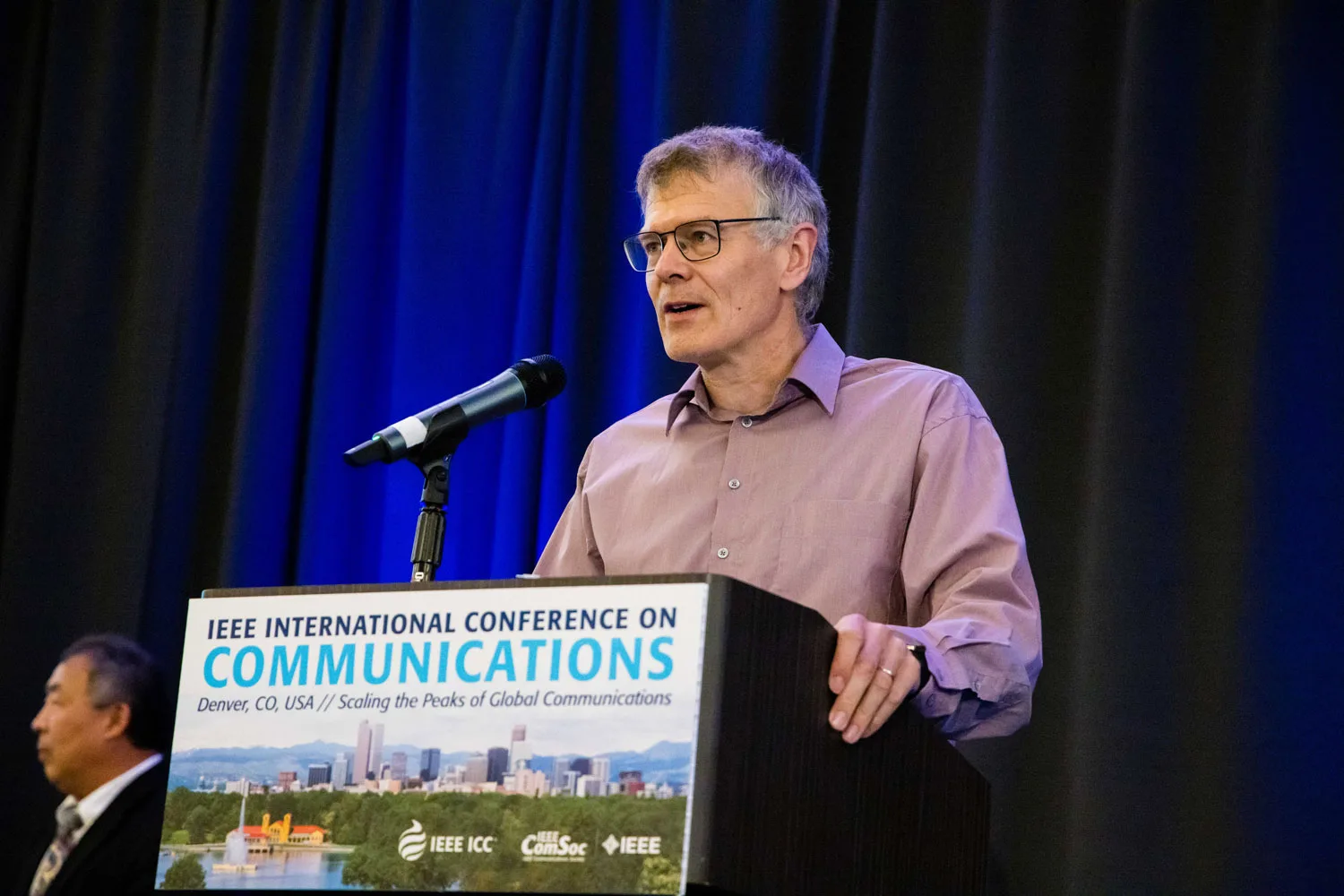
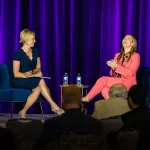
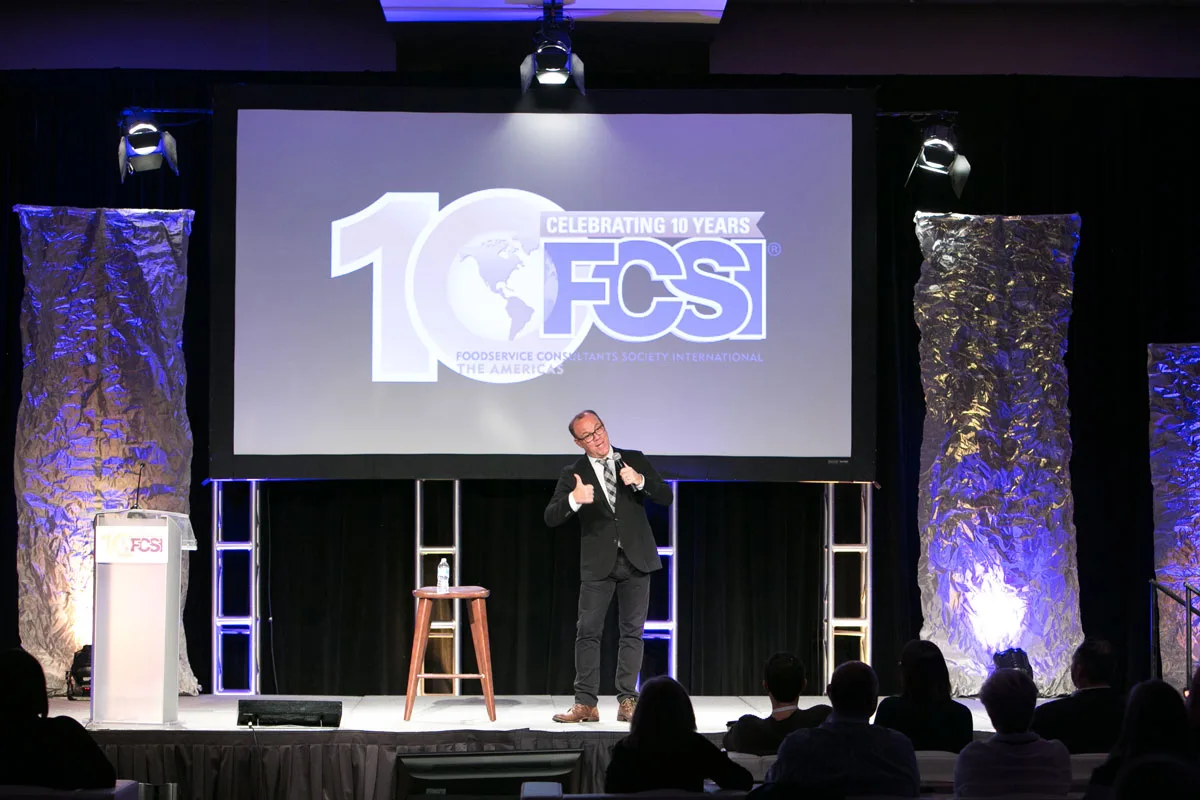
Conferences and conventions have their own rhythm. Photographers need to cover keynote presentations (which means good positioning to see both the speaker and the screen), panel discussions, breakout sessions, and networking time. The candid photos of people talking in hallways or at coffee breaks often end up being the most valuable for marketing and memory-keeping.
Trade shows and expos need a different approach. You’re documenting booth activity, attendee engagement, and the overall floor energy. This usually means moving around constantly and capturing interactions between booth staff and visitors. If you want to highlight specific sponsors or exhibits, let your photographer know in advance so they can plan their route.
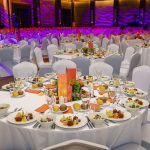
Corporate gatherings like awards dinners, holiday parties, or team celebrations need a mix of formal and candid coverage. You want the posed group shots, but you also want the genuine laughter and conversation that shows people actually had fun.
Headshots are increasingly important at conventions. Many companies want professional portraits of their team members or speakers. This requires a dedicated setup, good lighting, and quick turnaround so people don’t lose patience. A full-service photographer like Monarch Event Photography can often handle headshots on-site, which is way more efficient than trying to schedule everyone separately.
Technical Shooting Strategies for Convention Centers
Lighting is your biggest challenge. Convention centers have everything from well-lit keynote stages to dim networking areas. A good photographer brings flexible equipment and knows how to adjust settings on the fly.
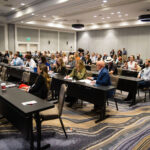
Positioning matters. For presentations, you want a spot where you can see the speaker and see what they’re talking about on the screen. For breakout sessions in smaller rooms, space might be tight, so the photographer needs to work efficiently without being distracting. For trade show floors, you need multiple angles to catch interactions and energy.
Timing is crucial. If a CEO is giving a keynote, the photographer needs to be ready before they walk on stage and needs to stay until they leave. If there’s a group photo, everyone needs to be coordinated and ready so you get it in one or two takes, not five.
Backup equipment is mandatory. Memory cards fill up, batteries die, lenses need cleaning. A professional photographer has backups for all of this so a technical hiccup doesn’t ruin your coverage.
What to Expect for Photo Delivery and Usage Rights
After the event, you need to know when you’re getting your photos and in what format. Some photographers deliver within 24 hours; others take a week or more. Ask about this upfront and choose based on your timeline.
You should understand what you’re getting. Digital files? Prints? An online gallery? Are they edited and color-corrected? Are they organized by session or time? The clearer you are about format and delivery, the better.
Usage rights are important, especially if you plan to use photos for marketing. You want to make sure you can post them on your website and social media, use them in reports, or print them without worrying about licensing issues. Most professional event photographers include generous usage rights as part of their package, but confirm this before you book.
Budgeting for Professional Photography at Your Event
What influences the cost of hiring a convention center photographer? Event length, number of photographers needed, whether you want on-site services like headshots or a photo booth, how fast you need delivery, and the level of editing all play a role.
The best approach is to get a quote based on your specific needs. When you reach out to a photographer, give them details about your event size, duration, coverage requirements, and delivery timeline. That way you get a realistic idea of what your photography investment looks like. Many photographers offer packages for full-day coverage, multiple-day events, or add-on services like headshots or photo booth rentals.
Choosing Between One Photographer or Multiple
For smaller, single-track events, one experienced photographer can cover everything you need. They can move between rooms, capture presentations and networking, and deliver a complete story.
For larger conventions with multiple simultaneous sessions, you might need two or more photographers so nothing gets missed. This is especially true if you have sponsor activations, VIP areas, and main stage events all happening at the same time.
Think about what would break your heart to miss. If that’s covered, you’ve got the right setup. If there are moments you really don’t want to lose, add a second photographer for those specific times or sessions.
Coordinating with Your Photographer On Event Day
Communication on the day of the event keeps everything running smoothly. Your photographer should know the schedule, the key people, and any special moments you want documented. A quick 15-minute meeting before things kick off can make a huge difference.
Give your photographer access to things they need: a program, a map of the venue, a list of VIPs or important people, information about the day’s highlights. The more context they have, the better they can anticipate moments and position themselves to capture them.
Designate one point person for the photographer to check in with if they have questions during the event. This way decisions get made fast and your photographer can keep shooting without spending time hunting down answers.
If you’re working with Monarch Event Photography or another experienced team, they’ll likely have a system for all this already. They’ll ask the right questions in advance and coordinate smoothly on the day.
Common Photography Needs for Colorado Convention Center Events
Conferences and trade shows at the Colorado Convention Center often need documentation for multiple purposes. You might want photos for social media and website updates during or right after the event. You might need them for future marketing and promotion of next year’s conference. You might want them for internal communications to your company or sponsor recognition.
Some events need photos specifically for media or press coverage. Others need images that work for reports or presentations about the event’s success and attendance.
Think about your “why.” Once you know why you need the photos, you can tell your photographer what matters most and they can prioritize accordingly.
People Also Ask
Do I need to give the photographer approval before they start shooting?
Not exactly. Once you hire a professional photographer, you’re trusting them to do their job. What you should do is give them clear direction in advance about what to focus on, any off-limits areas, and any special moments you want documented. Then let them work. Photographers are at their best when they have creative freedom within your guidelines, not when they’re being directed moment by moment during the event.
What if the photographer misses an important moment?
This is why hiring an experienced photographer matters. They know what to anticipate and position themselves to catch key moments. But real talk: in a large, fast-moving event, something might get missed. That’s why you communicate in advance about what matters most. An experienced photographer will make sure those priorities get captured. If you have simultaneous events you absolutely can’t miss, that’s when you need multiple photographers or you need to choose your coverage priorities.
Can the photographer take direction during the event?
Yes, but keep it minimal. If you need a specific group photo or want them to focus on a particular speaker, let them know in the moment. But don’t expect them to keep stopping what they’re doing to take requests. They’re capturing the whole event, and constantly redirecting them interrupts the flow. Save special requests for breaks or before things start.
How soon should we book a photographer for a convention center event?
Earlier is better. If you know your event date, start looking for your photographer at least 4-6 weeks in advance. For larger events or popular times of year, booking sooner helps ensure you get someone experienced. Photographers who know the Colorado Convention Center well and have a track record of reliable event coverage book up, so don’t wait until the last minute.