

Trade show photographers do one thing really well: they turn your booth, your people, and your brand moments into polished, usable images. They’re not there to make art for art’s sake. They’re capturing marketing-quality content that supports your conference strategy, your social media calendar, and your follow-up campaigns.
If you’re running a trade show booth or hosting a conference event, a professional trade show photographer is the difference between blurry phone snapshots and images you can actually use on LinkedIn, your website, and in press releases.
Let’s break down what trade show photographers do, why you should care, and how to find the right one for your next event.
What Trade Show Photographers Actually Capture
Trade show photographers aren’t just shooting random booth activity. They’re working with intention.
Here’s what’s typically in scope:
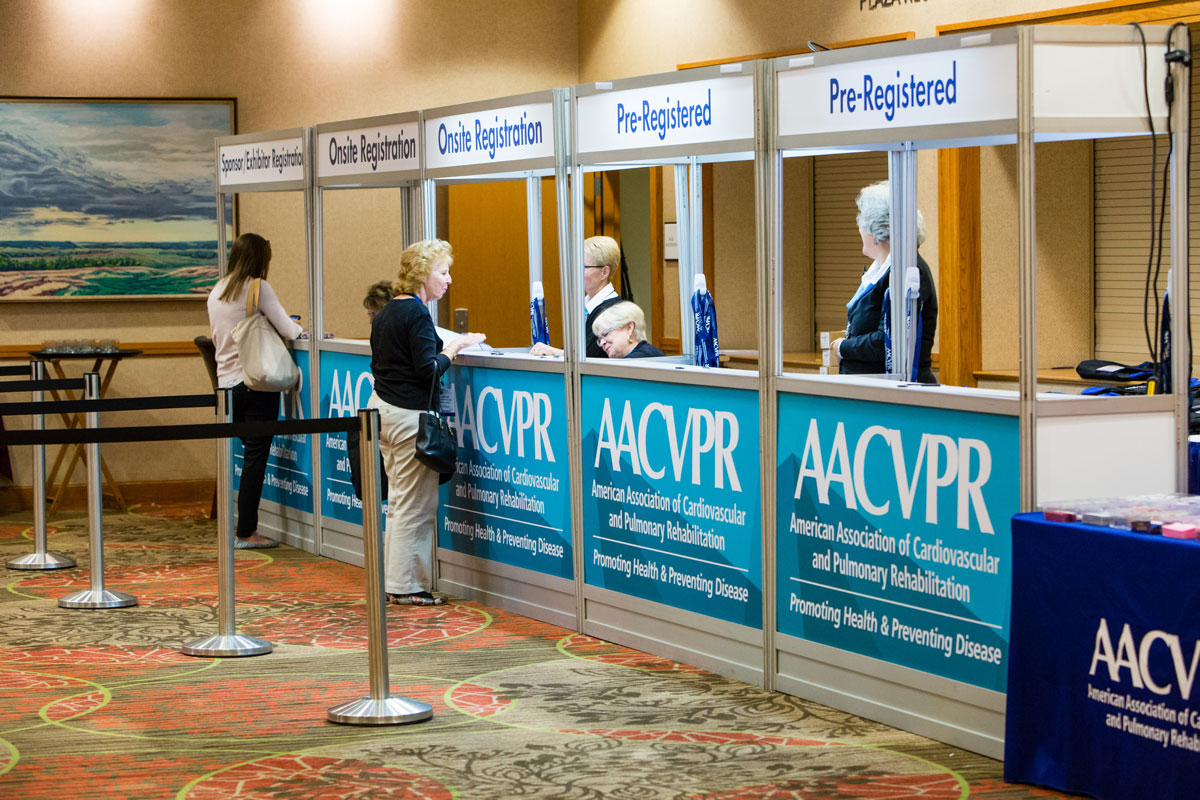
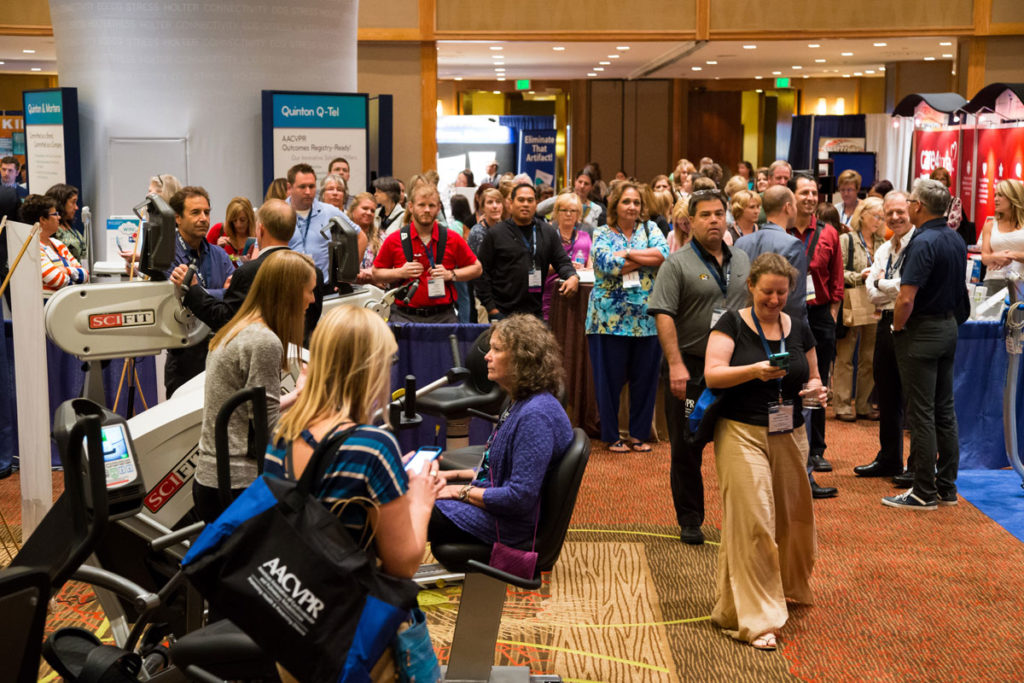
- Booth coverage – Your setup, your team interacting with visitors, product demonstrations, and the energy of your space
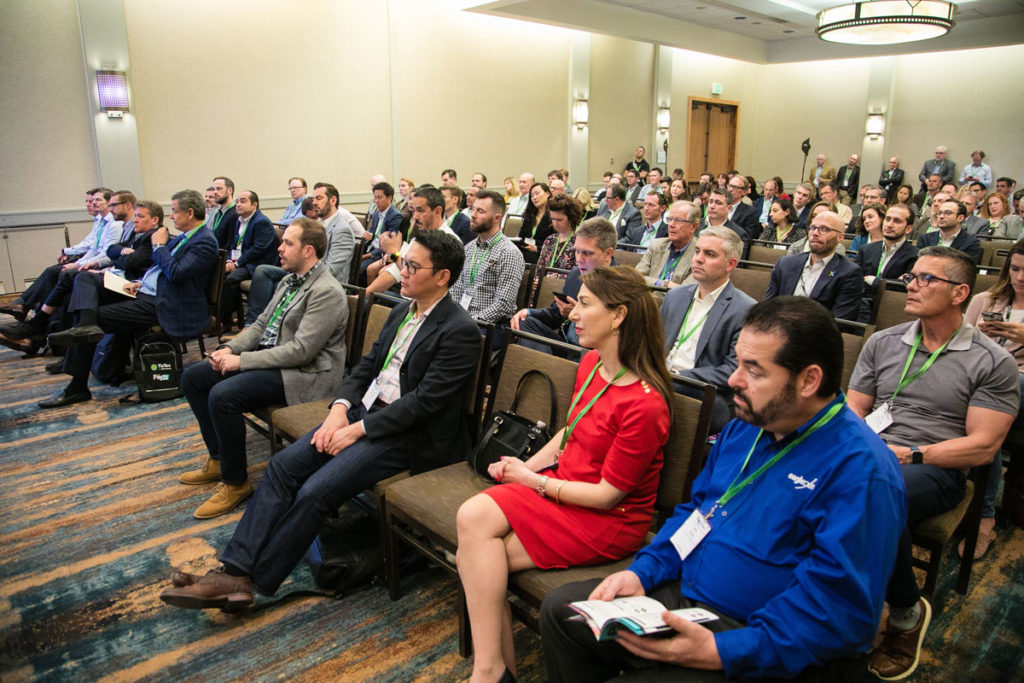
- Candid networking moments – Handshakes, conversations, and genuine interactions that show your brand in action
- Executive portraits – Professional headshots of your leadership team or key speakers, ready for media kits and bios
- Event details – Signage, displays, sponsored moments, and the overall conference atmosphere
- Product shots – Clean, well-lit images of what you’re showing off
The goal is always the same: deliver images that work for your marketing. That means proper lighting, sharp focus, good composition, and editing that makes your brand look professional.
Why Trade Show Photography Matters for Your Business
Here’s the honest truth: your competitors are at the same event. The difference between standing out and blending in often comes down to how you document and share the experience afterward.
Professional trade show images serve multiple purposes. They become social media content during and after the event. They support email campaigns to leads you met. They appear on your website as proof of your industry presence. And professional event photography gives you marketing assets with roughly a 12-month shelf life, meaning the investment keeps paying dividends for a full year.
That’s not something a colleague with a smartphone can deliver.
Beyond marketing, having a dedicated photographer means your team stays focused on selling and networking instead of trying to document everything. You’re not asking your CEO to step away from meetings to snap photos. Your booth staff isn’t distracted by camera duty. Everyone does their job better.
What to Look for in Trade Show Photographers
Not all photographers are built for trade show work. It’s fast-paced, high-pressure, and demands someone who can stay sharp under tight deadlines.
Here’s what separates good trade show photographers from average ones:
- Experience in fast-paced environments – They’ve worked conferences and events before. They don’t panic when the schedule shifts or the lighting is difficult.
- Technical skill with available light – Trade show floors aren’t always well-lit. A great photographer knows how to work with the light you have and knows when to bring supplemental equipment.
- Business mindset – They understand that these images need to work for your marketing. They’re not trying to make art; they’re making assets.
- Quick turnaround capability – You want edited photos within days, not weeks. Make sure they can deliver on your timeline.
- Professionalism on-site – They should be easy to work with, responsive to direction, and able to blend into your event without being intrusive.
- Usage rights included – Confirm upfront that you own the images and can use them however you want. This matters for social media, your website, and anything else you dream up later.
Ask potential photographers about their trade show experience specifically. Have them show you a portfolio from similar events. If they only have wedding or portrait work, they might not be ready for the pace and demands of a conference.
How to Plan Your Trade Show Photography Coverage
Good results don’t happen by accident. They happen because someone planned ahead.
Here’s the process:
Start with your goals. What do you need these images for? Social media posts? Website updates? Media outreach? Press kit materials? The answer shapes what the photographer should prioritize.
Share the event schedule. When does your booth open? Are there specific demos or moments you want captured? When are your executives available for portraits? Give your photographer a roadmap so they’re in the right place at the right time.
Discuss technical needs. Do you need product close-ups? Wide booth shots? Specific lighting for certain areas? A good photographer will ask these questions. If they don’t, that’s a red flag.
Clarify the deliverables. How many final images will you receive? What format? When will they be delivered? What about edits and retouching? Get specific.
Plan for social media integration. In 2026, real-time social sharing is expected at major events. Does your photographer understand that some images might need to be tagged and posted during the show? Talk about that upfront.
Companies that work with professional event photographers often see better ROI on their trade show investment because the planning conversation clarifies priorities for everyone involved.
Trade Show Photography vs. DIY Coverage
Your marketing manager probably has a decent camera. Your intern definitely has a smartphone. So why hire a professional?
The answer is consistency and reliability.
Professional photographers know how to work in varied lighting, they understand composition that makes your brand look good, and they have backup equipment if something fails. They stay focused on getting the shot instead of also monitoring your booth, answering questions, or running logistics.
More importantly, they deliver polished, usable images on schedule. A DIY approach usually means inconsistent quality, delayed delivery, and images that need significant editing before they’re shareable.
The cost of a professional photographer is usually recovered in the first week through better social engagement, more qualified leads, and marketing content you don’t have to source separately.
How to Find the Right Trade Show Photographer for Your Event
Start local. If you’re in the Denver area or another major market, search for photographers who specifically list trade show and corporate event experience. Look at their portfolios on their websites. Read reviews from other businesses.
Ask for references. A good photographer should be happy to connect you with past clients who can talk about their experience.
Interview a few candidates. Ask about their trade show experience, their workflow, how they handle technical challenges, and their timeline for delivering finals. Good photographers ask as many questions as you do.
Discuss pricing structure. Is it a flat day rate? Per image? Do they charge for expedited delivery? Does usage rights vary by package? Get clear on the financial side before you agree to anything.
Request a sample shot list or shot list template. This shows they think strategically about coverage.
If you’re in the Denver metro area, Monarch Event Photography specializes in trade shows, conferences, and corporate events with professional turnaround and full usage rights included, so that’s worth a conversation.
Timeline and Logistics You Should Know
Book your photographer as early as possible. Popular photographers book up months in advance, especially during peak conference season.
Confirm the shooting schedule at least two weeks before the event. Get all contact information for your photographer, including their cell number for day-of coordination.
Discuss backup plans. What if equipment fails? What if the photographer gets sick? A professional operation should have contingencies.
Agree on a delivery timeline. Most professional photographers deliver edits within 5-7 business days. If you need something faster, discuss rush fees upfront.
Plan your social media calendar around the expected delivery date. You want to have content ready to post as soon as you receive the finals.
Professional documentation is often one of the highest-ROI investments in your event budget because the content has such a long shelf life and multifaceted uses.
After the Event: Making the Most of Your Images
Getting the photos delivered is only half the battle. The real value comes from how you use them.
Create a shared folder where your team can access the full gallery. Use them for LinkedIn posts, Twitter updates, and Instagram stories during the follow-up week. Share them with your sales team so they can include them in prospect emails. Add them to your website’s events page.
Tag people in social posts (with permission). This amplifies reach and makes attendees feel recognized.
Consider a few standout images for a professional follow-up email to leads you met. “Here’s a shot of our demo in action” feels personal and shows you were engaged.
Archive the best images in a folder labeled with the year and event name. A year from now, you might need them for a case study, a website refresh, or next year’s event promotion.
This is where professional photography really pays for itself. You’re not just getting images; you’re getting a marketing tool that works for 12 months straight.
What’s the difference between trade show photography and conference photography?
Honestly, they’re pretty similar. Trade show photographers typically cover booth presence and exhibitor content. Conference photographers might focus more on speakers, panels, and general event atmosphere. But a skilled professional handles both. The technical skills and business mindset are the same. If you’re asking whether you need different photographers for a booth versus the main conference sessions, the answer is usually no. One good photographer can cover both.
How much does trade show photography cost?
It varies widely based on experience, location, and scope. Smaller markets or newer photographers might be less. Established professionals in major metro areas might be more. Get quotes from several photographers and compare what’s included. The cheapest option isn’t always the best value.
Can I use trade show photos on social media right away?
Most professional photographers deliver images within 3-7 business days, so same-day social posting isn’t typical. But if real-time social coverage is critical to your event strategy, discuss this with potential photographers upfront. Some can deliver edited photos the same day for rush fees. Plan accordingly and set expectations before the event starts.
What happens if I’m not happy with the photos?
Talk to your photographer immediately. Good professionals are invested in your satisfaction and will work on additional shoots or retakes if something went wrong. That’s why choosing an experienced, reliable photographer matters. Ask potential photographers about their revision and satisfaction policies before you hire them.