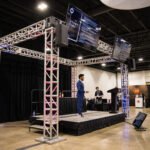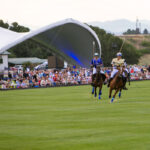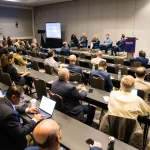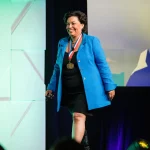



Professional event photography is the art of documenting your event with skill, reliability, and an eye for the moments that matter most. Whether you’re hosting a corporate conference, trade show, private celebration, or business meeting, a pro photographer captures the energy, key moments, and people that made your event special—so you don’t have to worry about it yourself.
The difference between snapshots and professional event photography comes down to preparation, technique, and genuine investment in getting your story right. Let’s break down what it really means and how to make sure you’re getting the best results.
What Makes Event Photography Professional?
Professional event photography isn’t just about showing up with a nice camera. It’s about understanding your event inside and out before the first photo is taken.
A real pro starts by asking questions. What’s the purpose of your event? Who are the key people? What moments matter most? Are there speakers, award ceremonies, networking moments, or behind-the-scenes action that needs capturing? This upfront conversation shapes everything that comes next.
Professional photographers also prepare thoroughly. They scout the venue ahead of time if possible, think about lighting challenges, plan shooting angles, and anticipate where important moments will happen. This isn’t guesswork—it’s strategic thinking.
Then there’s the actual shooting technique. Pros hold their camera loosely with finger hooks, which keeps them flexible and reduces fatigue during long events. They shoot with both eyes open and use their dominant eye to frame shots, which gives better stability and composition. They’re thinking on their feet, constantly positioning themselves to capture moments as they unfold naturally.
If you want your event documented with this level of care and precision, Monarch Event Photography specializes in exactly this kind of on-location coverage for Denver-area corporate events, conferences, and private celebrations.
How Professional Event Photography Serves Your Needs
Different events need different approaches, and a good photographer adjusts their strategy to your specific goals.
Related: Conference Photography: Complete Guide to Professional Coverage
Related: Meeting Photography: How to Capture Professional Event Coverage
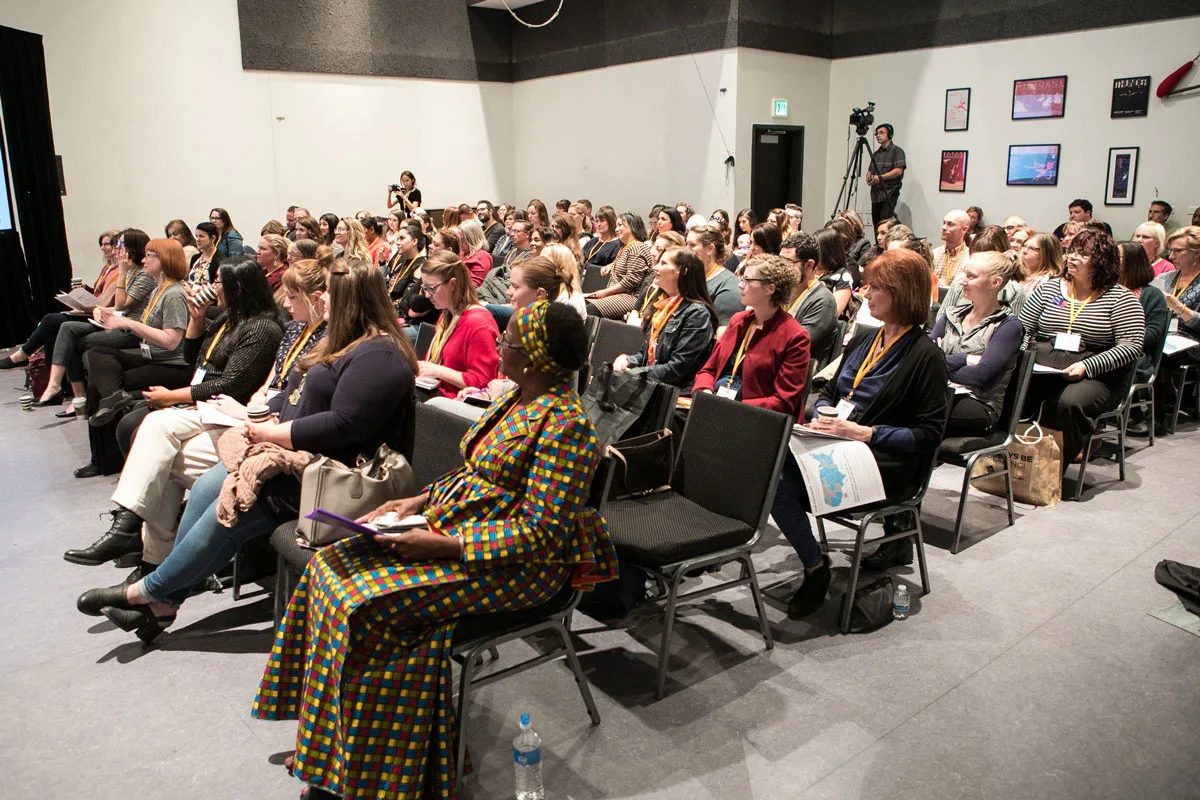
For corporate meetings and conferences, you need images that capture speakers, attendees, key moments, and the overall energy of the room. You might also want executive headshots or quick portraits of presenters. A professional handles all of this in a way that feels natural and doesn’t disrupt your event.
For trade shows, the photographer documents your booth setup, interactions with visitors, product displays, and the flow of activity. These images are gold for marketing later.
For private celebrations, the focus shifts to candid moments, group shots, special events like toasts or ceremonies, and the atmosphere you created. It’s about capturing memories.
What ties all of these together is reliability. You’re hiring someone to deliver polished, usable images on time—usually the same day or next day. You want someone who shows up prepared, communicates clearly about what to expect, and is fully invested in your satisfaction.
The Technical Side: Why Camera Handling Matters
You don’t need to understand all the technical details to appreciate good event photography, but knowing a bit helps.
Professional photographers use proper camera handling to stay sharp throughout long events. Holding the camera with a loose grip and using finger hooks reduces hand fatigue and keeps the camera steady. Shooting with both eyes open—using the dominant eye to frame while keeping the other eye aware of the broader scene—improves composition and awareness. It sounds small, but these habits are foundational to capturing quality images consistently.
They’re also thinking about light. Indoor events, outdoor venues, mixed lighting, shadows—pros adapt to whatever the space throws at them. This is why experience matters. Someone who has shot dozens of events in different settings knows how to handle challenges before they become problems.
Preparing Your Event for Professional Photography
You can set yourself up for success by thinking like a photographer before the event even starts.
First, communicate clearly with your photographer about your goals. What’s the main purpose? Who should be featured? What moments are non-negotiable? Are there quiet moments you want captured, or is it all action? The more specific you are, the better the result.
Second, think about your venue’s lighting and layout. Share photos or details about the space ahead of time. A pro can then plan their positioning and settings in advance.
Third, brief key people at your event. If there’s a speaker, award presentation, or important moment, give your photographer a heads-up. They can position themselves accordingly and won’t miss anything.
Fourth, plan for headshots or group photos if you need them. Build in time before or after the main event. This keeps your timeline flexible and ensures those portraits turn out great.
When you work with Monarch Event Photography, this kind of planning is part of their process. They ask the right questions upfront and work with you to create a shot list that makes sense for your event.
Delivery and Usage Rights
Part of professional event photography is knowing what happens after the event ends.
Quality photographers deliver images quickly—same day or next day is standard. You get to use those images for your own purposes: social media, marketing, internal communications, printing, or just archiving memories. Your usage rights should be clear and generous. You paid for the photography; you should own the ability to use those images the way you need to.
A good pro also delivers images in a format you can actually use. That might be high-resolution files for printing, web-optimized versions for social media, or both. They handle the technical side so you don’t have to think about it.
Event Photography for Different Occasions
The versatility of professional event photography means it works across a wide range of situations.
Corporate events benefit from coverage that documents speakers, networking moments, and company culture. Conferences need images that show panel discussions, attendee engagement, and key presentations. Trade shows depend on booth photography and visitor interactions. Private celebrations need candid moments and family gatherings captured beautifully.
A photographer with experience across these different types of events knows how to shift their approach. They understand what matters at a business conference versus what matters at a private party. They know how to be present without being intrusive. They anticipate the flow and rhythm of different event types.
This is why working with someone who has a track record matters. When you hire a professional event photographer, you’re hiring someone who has learned from many events and knows how to handle yours with precision.
Why Professional Photography Beats DIY

You might be tempted to ask a friend with a nice camera or just assign someone at your event to snap photos on their phone.
Here’s the reality: that person will miss moments because they’re not trained to anticipate them. They’ll struggle with lighting and composition. They’ll be caught off guard by the actual flow of your event. They won’t know how to position themselves to capture key moments. And they’ll be stressed the whole time instead of actually enjoying the event.
A professional removes all of that friction. They show up ready. They handle the technical challenges. They stay alert to what’s happening. They deliver polished images you can actually use. Your team can focus on running the event instead of worrying about photos.
Most professional photographers work on a minimum booking commitment—typically around two hours—which gives them enough time to capture the moments that matter without rushing. They’re all in, from start to finish.
Getting Started with Professional Event Photography
If you’re ready to document your next event professionally, start with a conversation about what you need.
Think about your event type, size, venue, and the specific moments that matter most. Do you want candids, posed shots, headshots, or all of the above? Will there be special moments—toasts, announcements, ribbon cuttings—that need to be captured? Are you hosting a small meeting or a large conference?
Then reach out to a photographer with experience in your type of event. Ask about their process, turnaround time, and what’s included. Make sure you’re on the same page about expectations before you book.
If you’re in the Denver area and planning a corporate event, conference, trade show, or private celebration, Monarch Event Photography specializes in exactly this kind of work. They handle everything from on-location coverage to executive portraits and photo booth rentals. Reach out to discuss your event and see if they’re the right fit for you.
People Also Ask
What’s the difference between event photography and other types of photography?
Event photography is about capturing moments as they happen in real time, in a specific location, on a specific date. It’s not staged or posed (mostly). You’re documenting activity, energy, and people interacting. That’s different from portrait sessions in a studio or fine art photography. Event photographers need to be fast thinkers who anticipate moments and adapt to whatever the space and situation throw at them.
How much advance notice do you need to book a professional event photographer?
It depends on the photographer and how busy they are, but giving at least a few weeks of notice is ideal. This gives them time to check their schedule, ask you detailed questions about your event, and prepare accordingly. Last-minute bookings might work for some photographers, but you’ll have better results if you plan ahead.
Do professional event photographers offer photo booth services?
Some do. Monarch Event Photography, for example, offers on-location photo booth rentals alongside their coverage services. This is great if you want both candid documentation and an interactive photo experience for your guests. Ask your photographer if they offer this or can recommend someone who does.
Can I get digital copies and print rights to the photos?
Yes—with a professional photographer, usage rights should be part of the deal. You should receive digital files that you can download, store, and use as needed. You should also be able to print them, post them online, or use them for marketing. Always clarify this upfront so there are no surprises after the event.