

A corporate meeting photographer is a professional who documents your conference, trade show, company gathering, or business event with polished, high-quality images. They handle everything from candid shots of attendees networking to formal executive portraits and keynote moments, delivering photos fast so you can use them for marketing, internal communications, and company records.
What Does a Corporate Meeting Photographer Actually Do?
Think of a corporate meeting photographer as your visual documentarian. They show up at your event and capture the real story of what happened—the energy in the room, the connections being made, the presentations, and the people who matter most.
Related: Corporate Event Photographers: What to Look For
Their job includes:
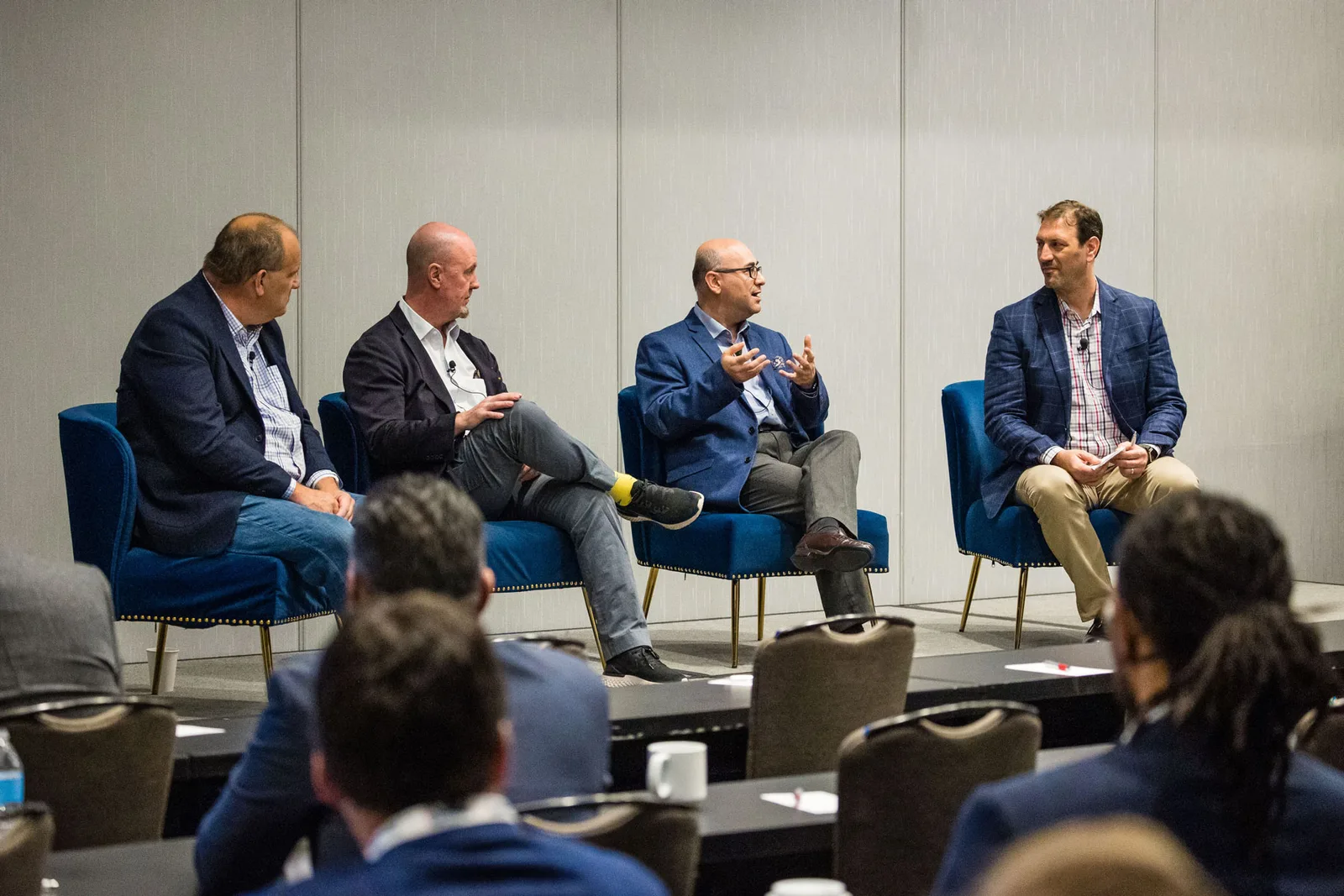
- Shooting candid moments of networking, panel discussions, and breaks
- Taking formal group photos and company team portraits
- Capturing keynote speakers and presentations
- Recording award ceremonies or recognition moments
- Photographing vendor booths and trade show activity (if applicable)
- Creating executive headshots on-site
The photographer moves through your event strategically, positioning themselves to catch natural moments without disrupting the flow. They’re invisible in the best way—people forget they’re there, which means you get authentic shots instead of forced smiles at a camera.
After the event, you get edited images delivered within about 10 business days. Most professional corporate photographers include usage rights so you can use the photos for your website, social media, annual reports, and internal materials without restrictions.
Why You Need a Corporate Meeting Photographer (Not Just Phone Photos)
Your employees and attendees will pull out their phones and snap pics. That’s great. But those images won’t tell your story the way a professional will.
A corporate meeting photographer brings technical skill—they know how to light a conference room, manage exposure in mixed lighting conditions, compose shots that actually look polished, and work quickly without slowing down your agenda. They’re also thinking about your goals: which moments matter for marketing? Where should they position themselves to catch the CEO’s remarks? How can they capture the energy of your trade show floor?
Smartphone photos are blurry, poorly lit, and often framed by accident. Professional images position your company as organized, credible, and invested in quality. When you post a sharp photo of your conference on LinkedIn or include it in a press release, people notice the difference.
Plus, a photographer gives you coverage. They don’t miss moments because they’re attending the conference themselves. They’re watching the room constantly, so you get dozens of usable shots that tell the complete story of your event.
Types of Corporate Events a Professional Photographer Covers
Corporate meeting photographers work across a wide range of business events:
- Conferences and conventions – Multi-day events with keynotes, breakout sessions, and networking
- Trade shows – Booth coverage, attendee interactions, and vendor setup
- Company meetings and launches – Product unveilings, strategic announcements, and team gatherings
- Award ceremonies and galas – Formal events, recognition moments, and celebrations
- Networking events and happy hours – Candid shots of professionals connecting
- Corporate retreats – Team-building activities and off-site gatherings
Whatever the format, the photographer adapts their style and approach to fit the tone and goals of your specific event. A formal black-tie gala requires different positioning and timing than a casual networking mixer.
How to Prepare Before Your Corporate Meeting Photographer Arrives
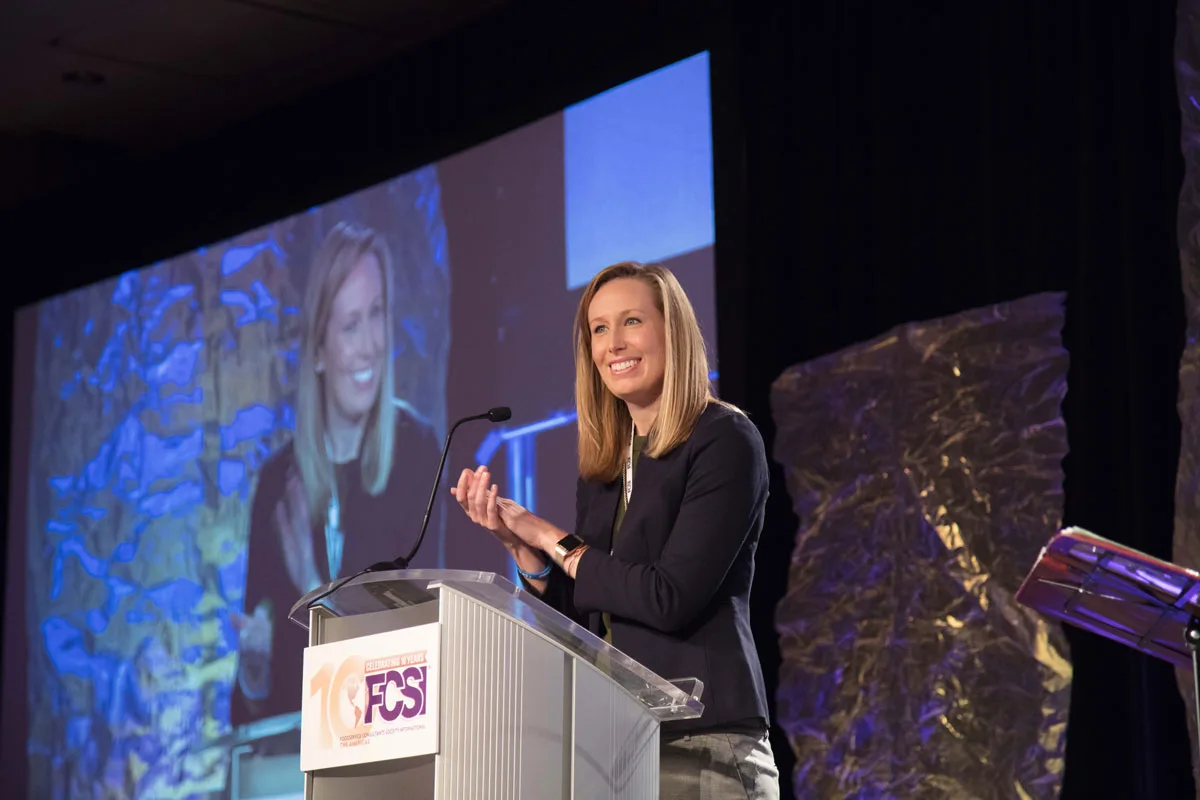
You’ll get better photos if you set clear expectations upfront. Here’s what to do:
Share your priority moments. Tell the photographer which speakers, activities, or people are most important. If your CEO is presenting, make sure they know that’s a must-capture. If you’re announcing a partnership, flag that too.
Provide a timeline. Walk through your event schedule so the photographer knows when the major events happen. This helps them plan their positioning and manage their time.
Discuss the space and lighting. If your meeting is in a dark ballroom or an outdoor venue with harsh sun, mention it. A pro will prep for these challenges, but knowing ahead helps them arrive with the right gear.
Clarify your usage needs. Are you posting photos to social media? Sending them to press? Using them in your annual report? Be specific. Monarch Event Photography and other full-service providers include usage rights, so your images aren’t locked behind licensing restrictions.
Related: Event Photography Services: What You Need to Know
Confirm the deliverable timeline. Most photographers turn around edited photos in about 10 business days. Confirm this matches your deadline, especially if you need images quickly for immediate publication.
What Makes a Good Corporate Meeting Photographer
Not all photographers are equal when it comes to corporate events. A good one has these qualities:
Experience with corporate environments. They’ve shot enough conferences and meetings to know how to work in busy, dynamic spaces. They’re comfortable moving quickly and adapting on the fly.
Technical skill in mixed lighting. Corporate events happen in ballrooms, hotel conference centers, and outdoor venues with inconsistent lighting. A pro knows how to expose correctly and adjust settings fast.
Reliability and professionalism. They show up on time, stay for the full duration, dress appropriately, and blend into your event without being a distraction. You should never worry about whether they’re going to deliver.
An editorial eye. They know which moments matter and which ones are filler. They’re not just pointing and shooting—they’re thinking about composition, timing, and storytelling.
Fast turnaround. You need images while your event is still fresh news. A photographer who delivers within 10 business days keeps your content current and valuable.
When you’re evaluating options, look at their portfolio. Do their corporate photos look polished and professional? Can you see the moments clearly? Do the images feel authentic or staged? Do they have experience with the type of event you’re hosting?
Finding and Working With Your Corporate Meeting Photographer
Start by asking for recommendations. Event planners, HR contacts, and other companies in your network often know good photographers they’ve used before. Referrals come with built-in credibility.
Check portfolios carefully. Don’t just look for pretty photos—look for images that match your event type and style. A photographer who excels at formal galas might not capture the right vibe for a casual product launch.
Discuss your specific needs before booking. Be clear about event type, location, duration, priorities, and timeline. A straightforward conversation upfront prevents surprises later.
Confirm what’s included. Does the package cover on-site editing or photo booth services? Are the images delivered digital only or with prints? What usage rights come with the photos? Make sure you’re both on the same page about deliverables.
If you’re in the Denver area and want to work with a photographer who specializes in corporate events, Monarch Event Photography handles conferences, trade shows, company meetings, and award ceremonies with full-service support including executive portraiture and on-site services.
The Difference Between Corporate and Other Types of Event Photography
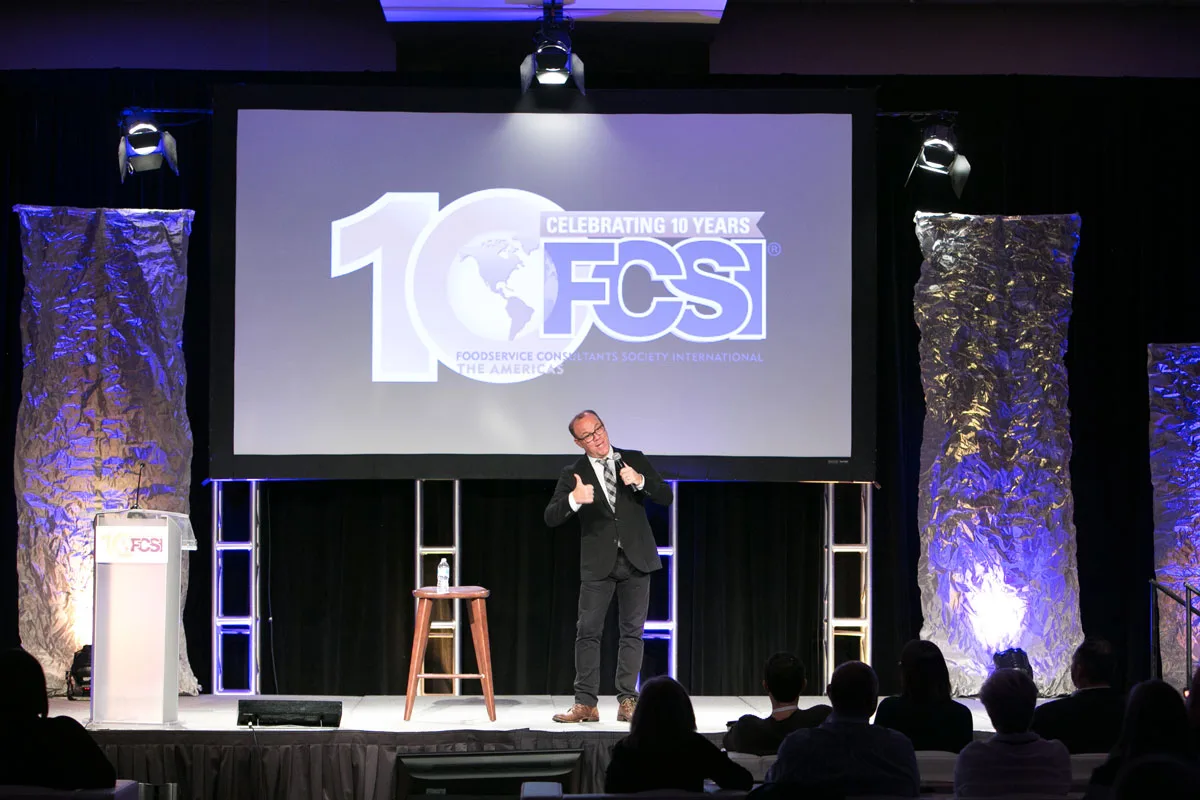
Corporate meeting photography is different from, say, wedding photography or portrait sessions. The goals are different, the pace is different, and the technical approach varies.
In a corporate setting, you’re not looking for one perfect shot. You’re looking for comprehensive documentation—dozens of images that collectively tell the story of your event. The photographer works continuously throughout the day, capturing moments as they happen naturally.
The lighting is often challenging: ballrooms with dim ambient light, outdoor venues with harsh sun, or mixed conditions across multiple rooms. A corporate photographer has to adapt constantly.
The timeline is tighter too. You want edited photos back in 10 days so you can publish them to social media and use them for marketing. That fast turnaround requires organized workflow and efficient post-processing.
Finally, corporate photography is about professionalism and brand representation. Every image reflects on your company, so the photographer focuses on polished, clean, professional results that make your organization look credible and well-managed.
Using Your Corporate Meeting Photos Afterward
Once you have the photos, put them to work:
- Social media: Post images during and immediately after your event to build real-time engagement and FOMO
- Website and blog: Feature event photos in articles about your conference or company news
- Press releases and media kits: Include professional images so journalists have something to run with your announcement
- Email marketing: Send event recap emails with photos to attendees and your mailing list
- Annual reports and presentations: Use polished event photos in formal company documents
- LinkedIn and professional networks: Share behind-the-scenes and keynote moments to build your professional brand
- Internal communications: Send photos to your team so employees feel connected to company events
Questions to Ask Before Booking
When you’re talking to a potential corporate meeting photographer, ask these questions to make sure they’re the right fit:
How many events like mine have you photographed? You want someone with relevant experience, not someone treating your trade show as a learning opportunity.
What’s included in your package? Are there extra fees for travel, extended hours, or additional photographers? Do you provide digital files, prints, or online galleries?
How do you handle rush timelines? Some photographers can deliver edited images faster if needed. Know your options and costs upfront.
Do you shoot backup? Professional photographers typically bring backup gear and sometimes a second shooter for large events. This ensures nothing gets missed if equipment fails.
What’s your editing style? Some photographers deliver lightly edited, natural-looking images. Others do heavier editing. Make sure their style matches what you want.
What’s the typical turnaround time for corporate meeting photos?
Most professional corporate photographers deliver edited images within about 10 business days. This gives them time to download files, cull the best shots, edit for color and exposure, and organize everything for delivery. If you need faster turnaround, discuss this upfront—some photographers can prioritize rush delivery, though it may affect pricing.
Can I use corporate meeting photos for marketing after the event?
Yes, if your photographer includes usage rights in their agreement—and most professional corporate photographers do. This means you can post images to your website, social media, press releases, and marketing materials without additional licensing fees or restrictions. Always confirm usage rights are included in your contract to avoid complications later.
Should I hire one photographer or two for a large corporate event?
It depends on the size and scope. A small meeting or networking event works fine with one skilled photographer who can move through the space efficiently. For large conferences, multi-room events, or all-day trade shows, two photographers cover more ground, ensure no critical moments are missed, and give you broader perspective. Discuss your event size and priorities with your photographer—they’ll recommend the right setup.
What happens if the corporate photographer gets sick or can’t make it?
Professional photographers plan for this. They either have a backup photographer they trust or a contingency plan in their contract. Always ask about their cancellation and backup policy upfront. Monarch Event Photography