

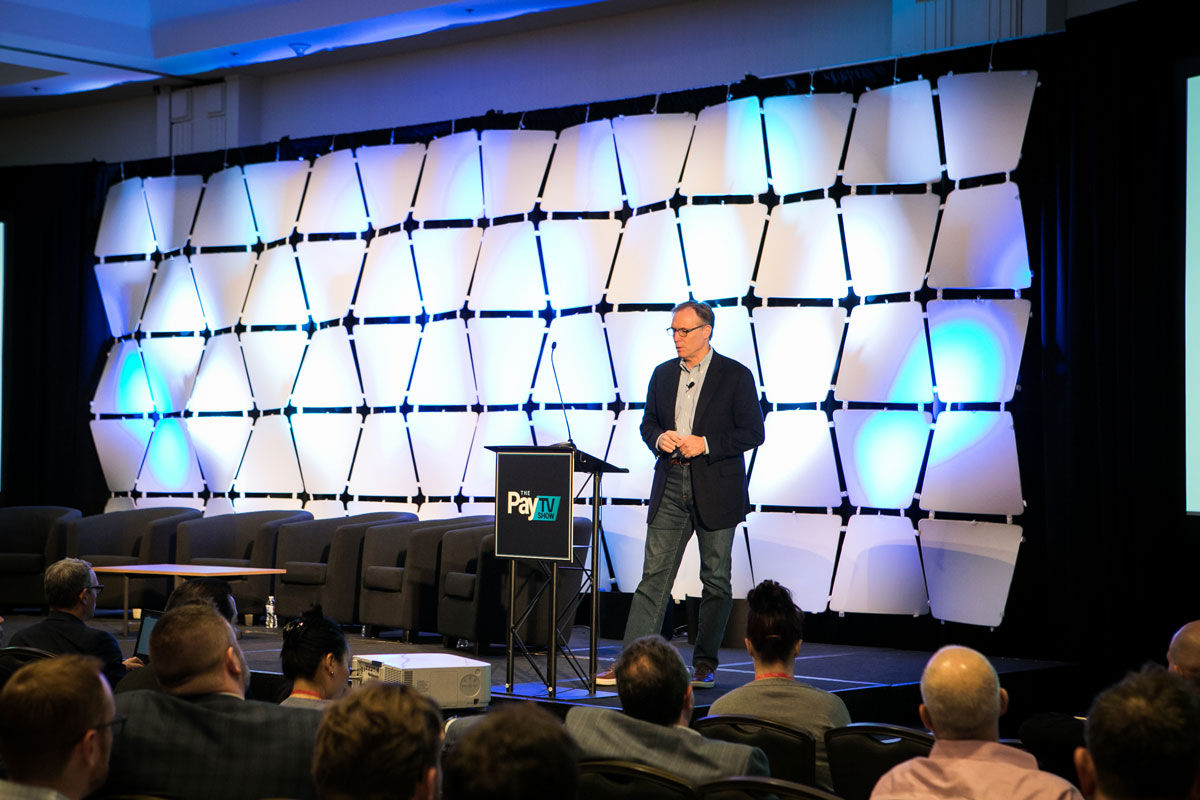
Convention photographers are professionals who specialize in documenting large-scale conferences, trade shows, festivals, and multi-day corporate events. They’re different from portrait photographers or wedding photographers because they work in fast-paced environments where you need someone who can move around, capture candid moments, manage multiple speakers and breakout sessions, and deliver polished images on a tight timeline.
If you’re planning a convention or major conference and wondering whether you actually need a professional on staff, the short answer is yes. Here’s why: attendees, speakers, sponsors, and vendors all expect quality documentation. You need photos for marketing, social media, internal communications, and next year’s promotional materials. Trying to piece together images from attendee phone cameras or asking someone on your team to shoot between meetings just doesn’t cut it.
Related: Trade Show Photographers: What to Expect & How to Hire
Related: Corporate Event Photographers: What to Look For
Let’s walk through what convention photographers actually do, what to look for, and how to make sure you hire the right person for your specific event.
What Convention Photographers Actually Cover
Convention photographers don’t just snap random shots. They create a visual record of your entire event with strategy and professionalism.
Here’s what typically falls into their scope:
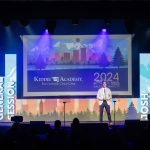
- Keynote and speaker coverage. They position themselves to capture speakers at the podium, audience reactions, and stage setup without being distracting or blocking views.
- Breakout sessions and workshops. Multi-track conferences mean photographers have to choose wisely which sessions to cover or coordinate with multiple shooters to hit everything.
- Networking and social moments. Candid photos of attendees talking, laughing, and connecting are gold for marketing and event reports.
- Vendor and sponsor booths. Booth photos show energy, foot traffic, and products in action.
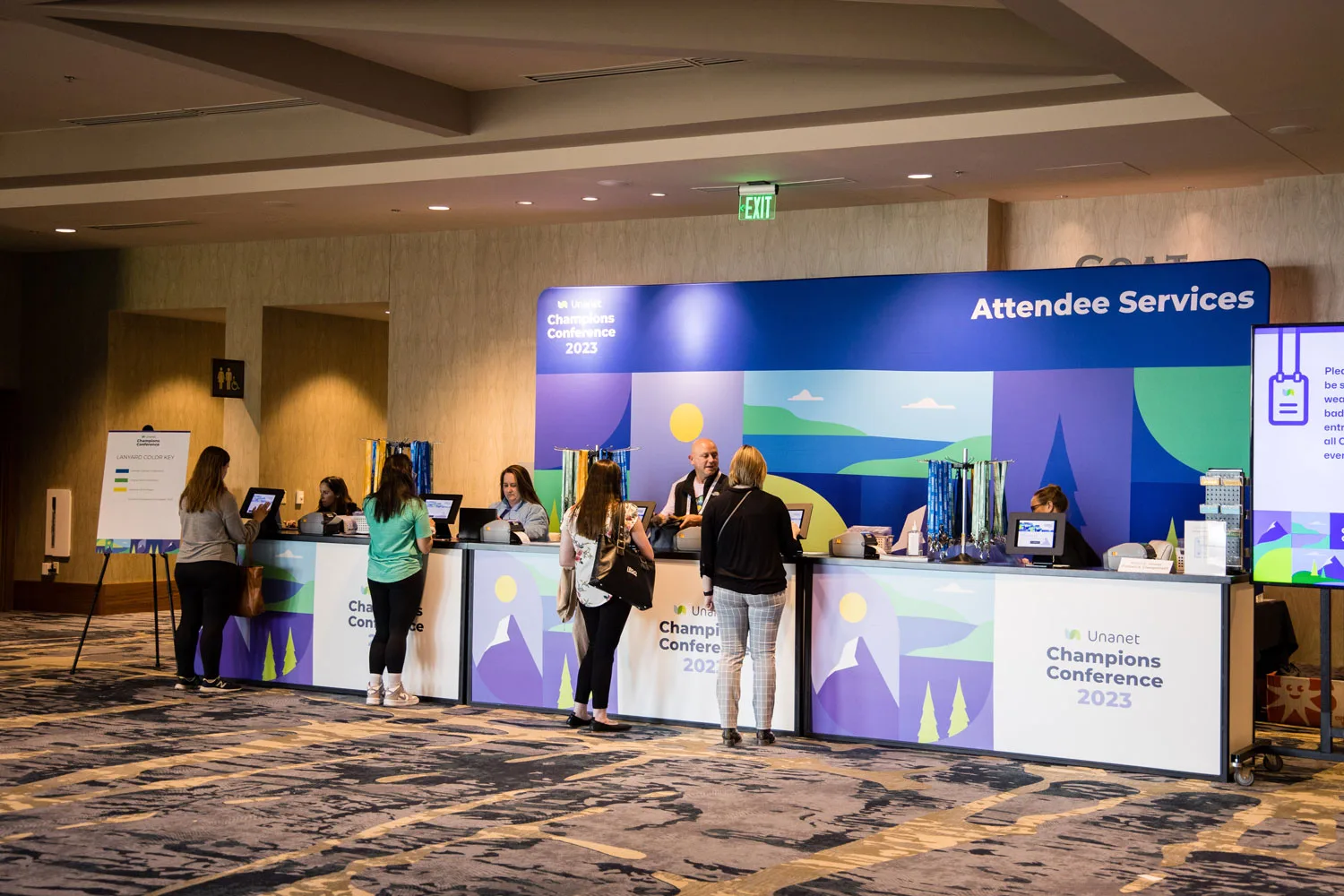
- Registration and arrival. First-impression shots matter for next year’s promotions.
- Awards, ceremonies, and special events. If your convention includes recognition moments or evening receptions, those get documented too.
- Expo hall and exhibits. Wide shots and detail shots of your setup, displays, and interactive elements.
A good convention photographer is also thinking ahead. They’re capturing images that work for your website, social media posts, email newsletters, and annual reports. They understand that a photo of someone engaged in conversation matters more than a crowd shot of empty chairs.
Why Multi-Day Events Need Professional Coverage
Conventions aren’t one-and-done photo ops. They run multiple days, sometimes with concurrent sessions, evening receptions, and side events. That means your photographer needs stamina, planning skills, and the ability to anticipate moments before they happen.
A professional convention photographer will:
- Scout the venue ahead of time to understand lighting, sight lines, and logistics.
- Create a shot list based on your priorities and the event schedule.
- Manage battery life, memory cards, and equipment across long days.
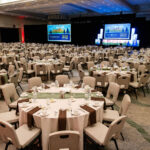
- Know how to work in difficult lighting (hotel ballrooms, auditoriums, outdoor expo areas).
- Stay unobtrusive so attendees can focus on content without distraction.
- Deliver organized, edited images quickly so you can start using them before the event is even over.
This is why Monarch Event Photography and similar event professionals focus specifically on conferences and conventions. It’s a different skill set than other photography work, and your results depend on hiring someone who understands the unique demands.
What to Ask When Hiring Convention Photographers
Before you sign a contract, you need to know whether a photographer is actually equipped to handle your event. Here are the questions that matter:
Do they have specific convention or conference experience? Ask to see a portfolio of similar multi-day corporate events. You want evidence that they’ve handled trade shows, conferences, or large conventions before, not just weddings or portrait sessions.
How do they handle multiple sessions happening at once? If your conference runs three breakout sessions simultaneously, ask how they’ll cover all of them. Do they work with additional photographers? Do they prioritize based on your guidance?
What’s included in their timeline for editing and delivery? When can you expect to see proofs? When will final images be ready? Convention photos need a faster turnaround than some other events because you want to share them while the event is still fresh in people’s minds.
Do you get usage rights to all images? You should own the right to use convention photos for marketing, social media, your website, and internal communications without paying additional fees or asking for permission every time. This is a deal-breaker if it’s not included.
What’s their backup plan? Ask about equipment redundancy, backup photographers, and what happens if something goes wrong. Professional photographers carry backup gear and have contingency plans.
How many images should you expect? A full day of convention coverage typically produces hundreds of edited images. Get clarity on the volume so you’re not surprised by what you receive.
Preparing Your Event for Professional Photography
Hiring a photographer is only half the work. You also need to set them up for success.
Provide them with a detailed event schedule including session titles, speaker names, start and end times, and room locations. Let them know about VIP attendees, sponsors who want specific booth coverage, or ceremonial moments that matter most to you.
Brief them on your event goals. Is this primarily for social media promotion? Internal company documentation? Sponsor visibility? Award submissions? Their approach shifts based on what you need from the photos.
Coordinate with your event staff so photographers have access to all areas, know where to stand during keynotes, and can move freely without security stopping them. A quick word to your registration team and session moderators makes a huge difference in workflow.
Make sure your venue has adequate lighting or discuss lighting needs in advance. Ballrooms and convention centers can be dark, and photographers may need to use professional flash or work around existing light. This conversation should happen before the event starts.
Finally, designate one person on your team as the photographer’s point of contact during the event. That person handles last-minute requests, answers questions about schedule changes, and makes sure the photographer has what they need to do their job.
Photo Booth Services and Headshots at Conventions
Beyond traditional coverage, many convention photographers also offer on-site services that enhance attendee experience and generate additional content for your marketing efforts.
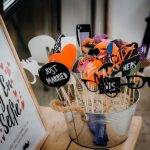
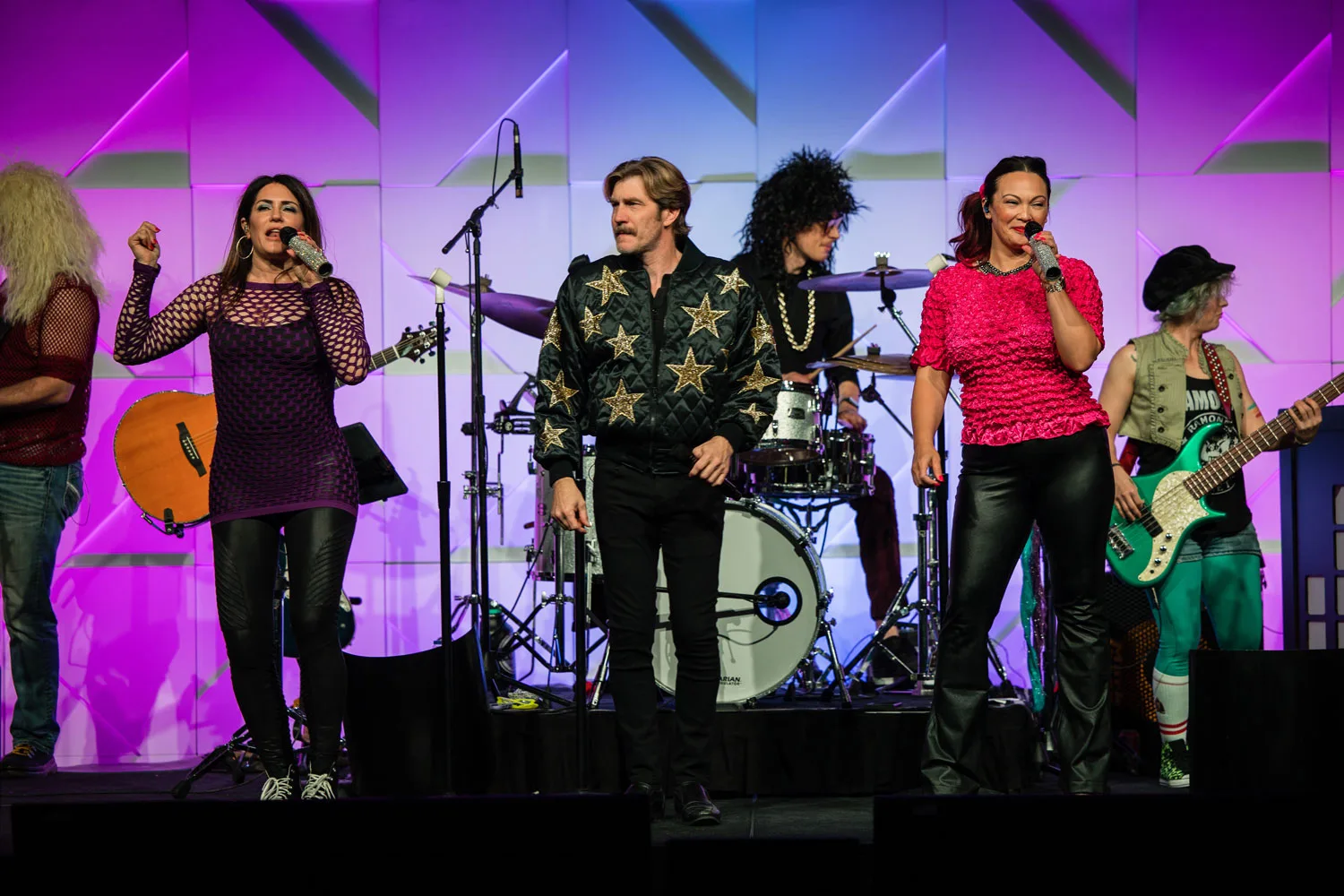
Photo booth rentals are popular at conventions because they’re interactive, fun, and give attendees a shareable takeaway. People love having a printed photo or digital copy to post online, and you get branded content in the process.
Executive headshots and speaker portraits are another value-add. If your conference features a lineup of experts, having professional headshots available for materials, social media, and the speaker page is essential. Some photographers offer a dedicated headshot area during lunch breaks or before the event starts.
When you’re talking to convention photographers about services, ask whether they can bundle traditional coverage with photo booth rentals, headshots, or other on-location services. It saves you from coordinating multiple vendors and ensures consistent quality and branding across all your event photography.
How Social Media Strategy Affects Your Photography Needs
In 2026, your convention photographer needs to understand social media. That doesn’t mean they’re editing and posting for you, but they should know what images perform well on LinkedIn, Instagram, Twitter, and your other channels.
Photos that work for social media are different from formal documentation shots. They’re candid, authentic, action-oriented, and often feature people engaged and smiling. Your photographer should be capturing these moments intentionally, not just the formal stage shots and expo hall wide-angles.
Ask photographers whether they think about social media composition and whether they deliver images in formats optimized for different platforms (vertical for Stories, square for feeds, wide for LinkedIn headers). This shows they understand modern event marketing, not just photography mechanics.
Common Questions About Convention Photographers
How many photographers do you need for a large convention?
It depends on size and complexity. A smaller conference with one main track and 200 attendees might need one photographer. Larger multi-track conferences with 1,000+ attendees, multiple simultaneous sessions, vendor floors, and evening events usually benefit from two or three photographers working together. Ask your photographer for a recommendation based on your specific schedule and priorities.
Can one photographer cover multiple concurrent sessions?
Not effectively. If your conference has three breakout sessions happening at the same time, you can’t be in three places at once. Either prioritize which sessions get covered, hire additional photographers, or accept that some moments won’t be captured. Have this conversation upfront so there are no surprises.
What happens to convention photos after the event?
You should receive all edited, final images with full usage rights. You own them and can use them for marketing, social media, websites, printed materials, and internal communications without restrictions or additional licensing fees. Always confirm this in writing before you hire someone.
How quickly can convention photos be delivered?
Professional photographers typically deliver edited images within one to two weeks, depending on volume. Some offer expedited delivery for an additional cost if you need images faster. This is worth negotiating upfront if you have immediate marketing needs or want to share photos during or immediately after the event.