

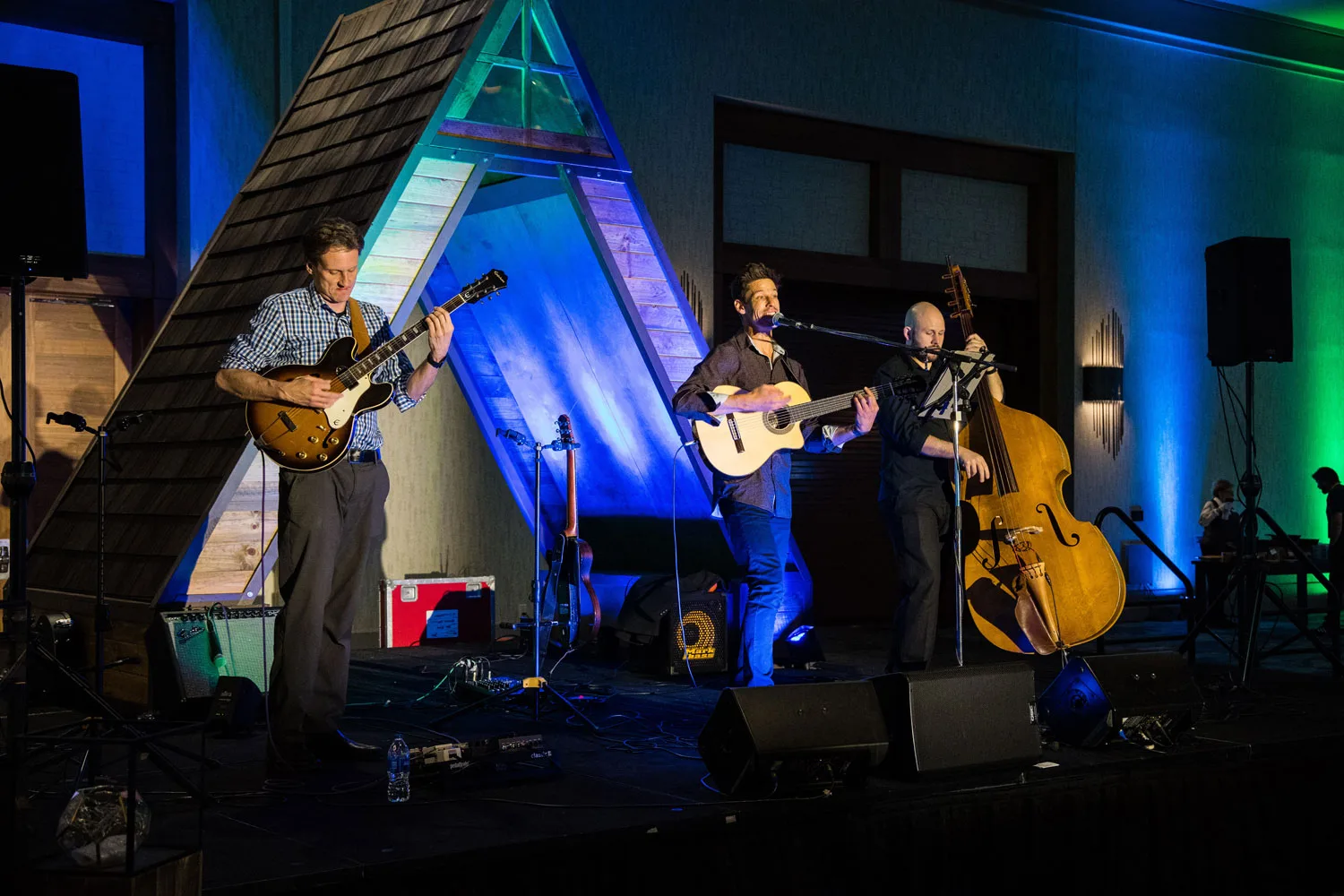
When you’re planning a conference, trade show, or corporate meeting, professional conference photographers do way more than just show up with a camera. They’re responsible for documenting the entire event in a way that tells the story of what happened, captures key moments, and gives you polished imagery you can actually use afterward.
Let’s break down what conference photographers do, what makes them different from other types of photographers, and how to find the right fit for your event.
What Conference Photographers Actually Do
Conference photographers specialize in capturing corporate events with specific business goals in mind. Unlike wedding photographers or portrait artists, they’re focused on documenting the event itself: the speakers, the attendees, the networking, and the overall vibe.
Their job includes shooting keynote presentations, capturing candid moments during breaks, photographing the venue setup, documenting registration areas, and getting shots of attendees interacting and networking. They work around your event’s schedule and flow, not the other way around.
The goal is simple: deliver you a set of images that show what the conference was actually like and that you can share with attendees, use on your website, or repurpose for marketing later. Good conference photographers understand that every shot needs to serve a business purpose.
Coverage Areas Conference Photographers Prioritize
Before they step foot on your venue, professional conference photographers should be asking about your event’s objectives. Different conferences need different things.
Here are the main areas they typically cover:
- Keynote and speaker sessions. These are usually the anchor moments. Photographers capture the speakers at the podium, audience engagement, and any visuals they’re presenting.
- Networking sessions. The hallway conversations, coffee breaks, and dedicated networking time are where real connection happens. Good photographers catch these authentic interactions.
- Venue and setup. Wide shots of the conference room, signage, booth displays, and overall layout give context to your event.
- Registration and arrivals. Capturing the beginning of your event sets the tone and shows the energy from the start.
- Event-specific moments. Awards ceremonies, panel discussions, product launches, or any special programming unique to your conference gets documented.
When you’re talking to a photographer about your conference, make sure they understand which areas matter most to you. Not every moment needs equal attention, and a pro will know how to prioritize based on your goals.
How to Prepare When Hiring Conference Photographers
The best conference photographs happen when there’s clear communication before the event starts. Here’s what you should do on your end.
First, create a shot list with your photographer. Walk through the event agenda and identify the non-negotiable moments: the speakers who need headshots, the sponsors you want highlighted, the activities that define your conference. This keeps everyone on the same page.
Second, provide your photographer with background on your event’s purpose. Are you launching a new product? Building community in your industry? Celebrating company milestones? The “why” behind your conference shapes how a photographer approaches the work.
Third, make sure they have the logistics. Venue layout, timing, access to restricted areas, any special lighting situations, and the names and roles of key people all matter. A photographer who walks in blind will miss shots.
If you want specific branding elements captured (booth designs, signage, materials), mention it upfront. If you need headshots of executives or speakers, budget time for that separately. If you want photo booth coverage too, Monarch Event Photography offers that as part of their full-service event coverage, so you don’t have to hire multiple vendors.
What to Look For in a Professional Conference Photographer
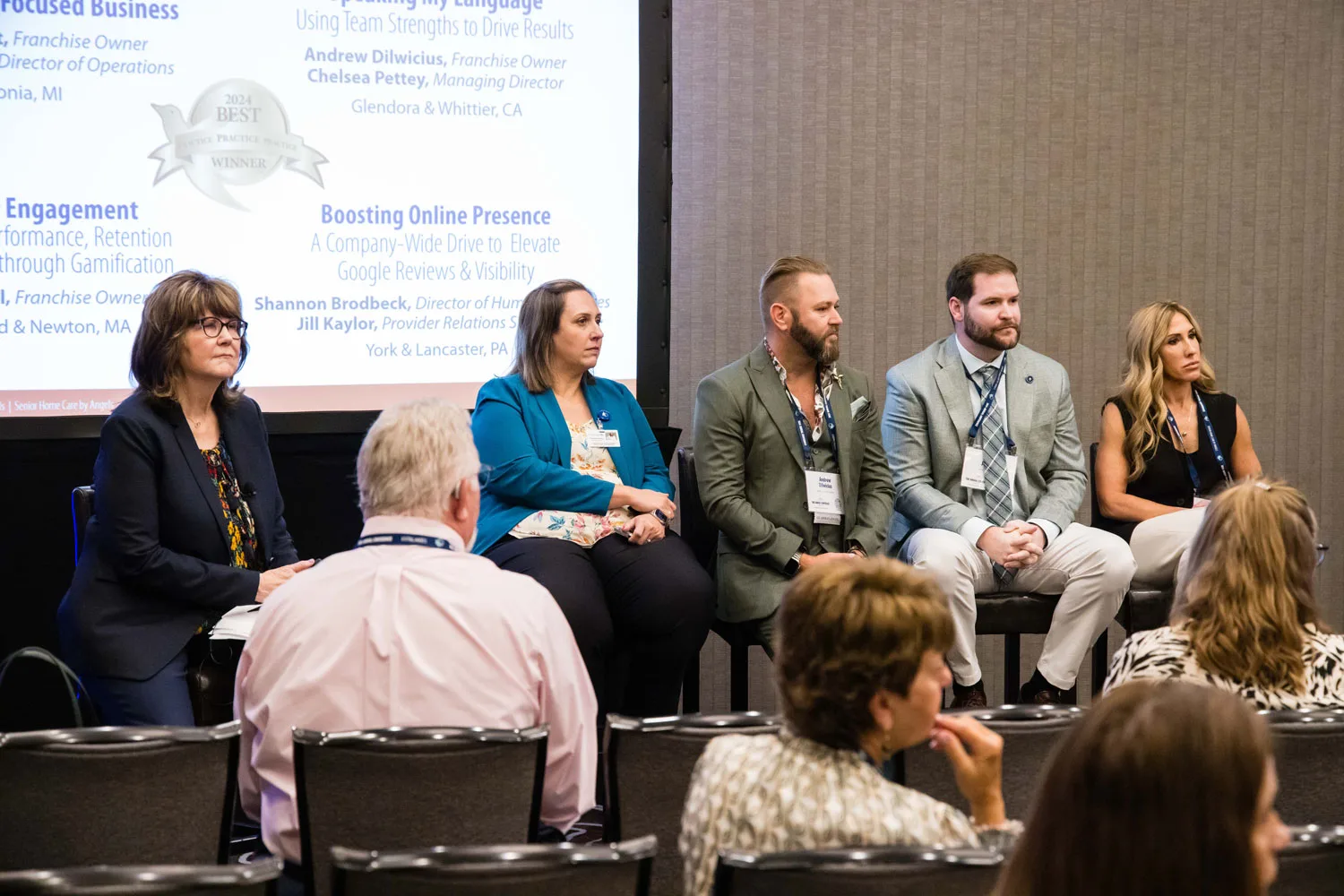
Not all photographers are built the same, and conference work requires specific skills.
Look for someone with a portfolio of corporate and conference events. Wedding photography is beautiful, but it’s not the same skill set. You want to see examples of keynote coverage, networking shots, and polished group photos.
Experience shooting in your venue or similar spaces is a bonus. Every room has different lighting, sight lines, and acoustic challenges. A photographer who knows how to work in corporate ballrooms or convention centers will be faster and deliver better results.
Ask about their turnaround time. Most business events need images within days, not weeks. Your photographer should have a clear timeline for delivery and be transparent about how they organize and edit your files.
Usage rights matter too. Make sure the images are yours to use for marketing, internal communications, and social media. You shouldn’t have restrictions on how you share your own event’s photos. When you work with Monarch Event Photography, usage rights are included, so you’re covered from day one.
Finally, reliability is everything. Conferences don’t pause for technical problems or no-shows. You need a photographer who shows up early, stays until the end, and has backup equipment ready to go.
How Conference Photographers Deliver Your Images
Once the event wraps, your photographer needs to deliver on their promises.
The best conference photographers organize images in a way that makes them easy to find. They might group photos by session, speaker, or time of day so you can quickly locate what you need.
They edit for consistency: color correction, exposure adjustment, and sharpening so every photo looks polished and professional. You shouldn’t receive a mix of great shots and mediocre ones. Every image should be ready to use.
Digital delivery is standard. You’ll get your images in high resolution on a secure platform, with clear licensing details and usage guidelines attached.
The best photographers also ask for feedback after the event. What worked? What did you wish you had more of? This helps them improve for your next conference and shows they actually care about your satisfaction.
Related: How to Hire Conference Photographers: A Planning Guide
Related: Trade Show Photographers: What to Expect & How to Hire
Conference Photography vs. Other Event Photography
You might wonder how conference photography differs from other corporate events like product launches, award ceremonies, or company celebrations.
Conference photography is about documenting a multi-hour (or multi-day) event with many moving parts. The photographer needs to stay ahead of the schedule, anticipate transitions, and capture content from different sessions happening simultaneously.
They’re also working to serve a large group: attendees want photos from their session, speakers need headshots and candid footage, sponsors want visibility, and your leadership wants documentation of the overall event. A conference photographer has to balance all these needs without being intrusive.
The best conference photographers blend into the event. They’re professional enough to access key moments but unobtrusive enough that attendees don’t feel like they’re being filmed constantly. It’s a skill that takes practice.
Making the Most of Your Conference Photography Investment
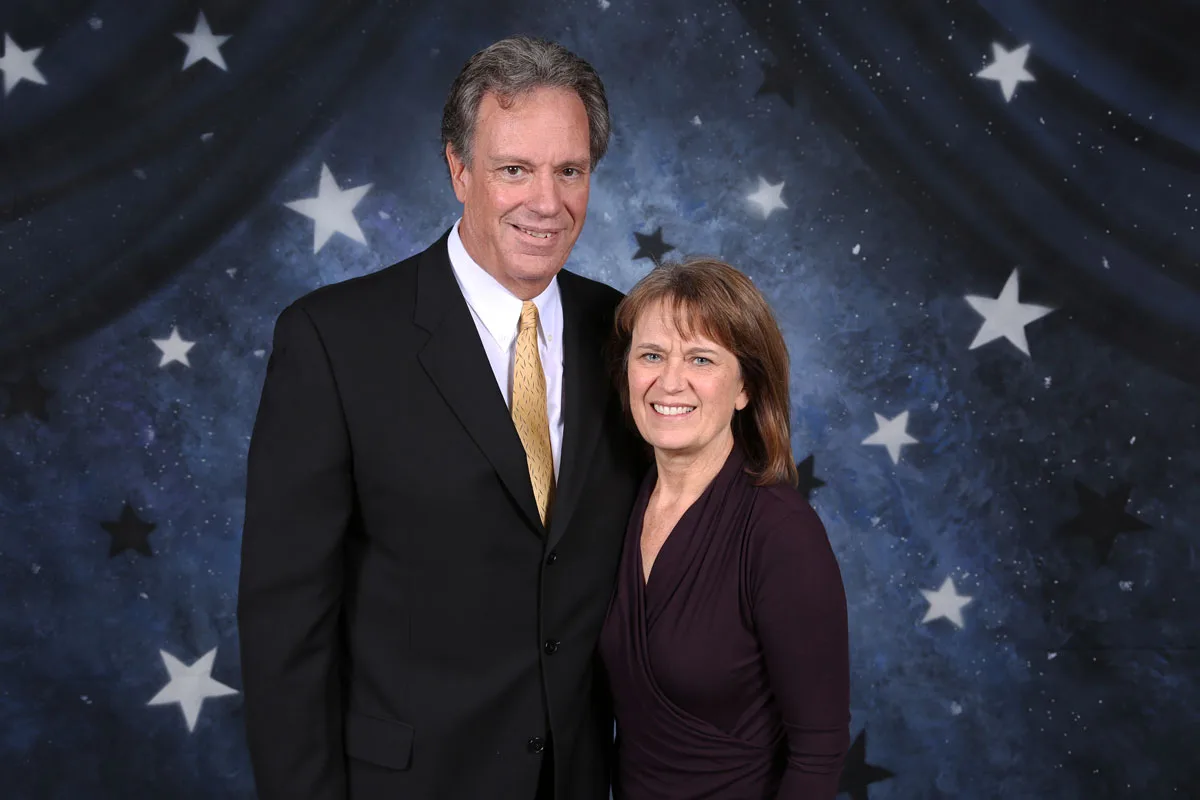
After your event, your photos become content. Smart event planners leverage professional conference photography across multiple channels.
Use images in post-event emails to attendees. Share highlights on LinkedIn and social media to extend the reach of your event. Repurpose strong photos in promotional materials for next year’s conference.
Create a digital gallery for attendees to download their photos from the event. Many professionals love having professional shots of themselves speaking or networking at an industry conference.
If you’re planning a regular conference, your photographer becomes a partner. They’ll learn your event’s unique rhythm, know which moments matter most to your attendees, and continuously deliver better results. Building that relationship saves time and improves quality year over year. When you’re ready to hire someone who understands your vision and delivers every time, Monarch Event Photography can handle your full event documentation from setup to final delivery.
Common Questions About Hiring Conference Photographers
Do I need to give my photographer a detailed schedule?
Yes. Provide your photographer with a minute-by-minute agenda if possible. Include speaker names, session topics, transitions, and any special activities. This helps them anticipate key moments and position themselves for the best angles. Communication before the event prevents missed shots.
What if something unexpected happens at my conference?
A good conference photographer rolls with it. They’re trained to shift on the fly if a speaker runs early, a session moves to a different room, or an unexpected announcement happens. That’s why experience matters. They’ve seen enough events to adapt without getting flustered.
How many photos should I expect from a full-day conference?
It depends on the event length and scope. For a full-day conference with multiple sessions, you can typically expect hundreds of photos. The exact number varies based on your photographer’s shooting style and the number of photographers present. Ask your photographer what they usually deliver so you know what to expect.
Can the photographer attend multiple sessions if they’re happening at the same time?
Not really. If your conference has simultaneous tracks, you’ll need multiple photographers to cover everything. This is worth discussing upfront so your photographer can help you decide which sessions are most important to document.